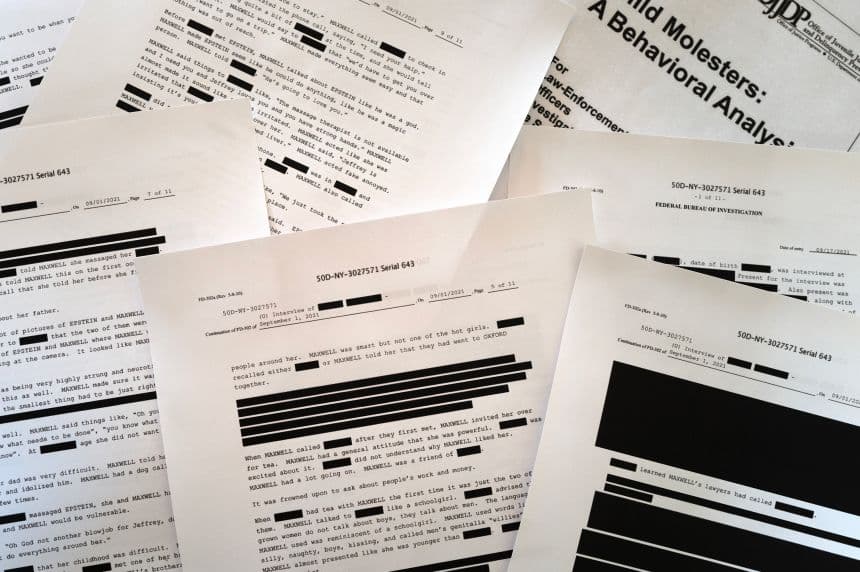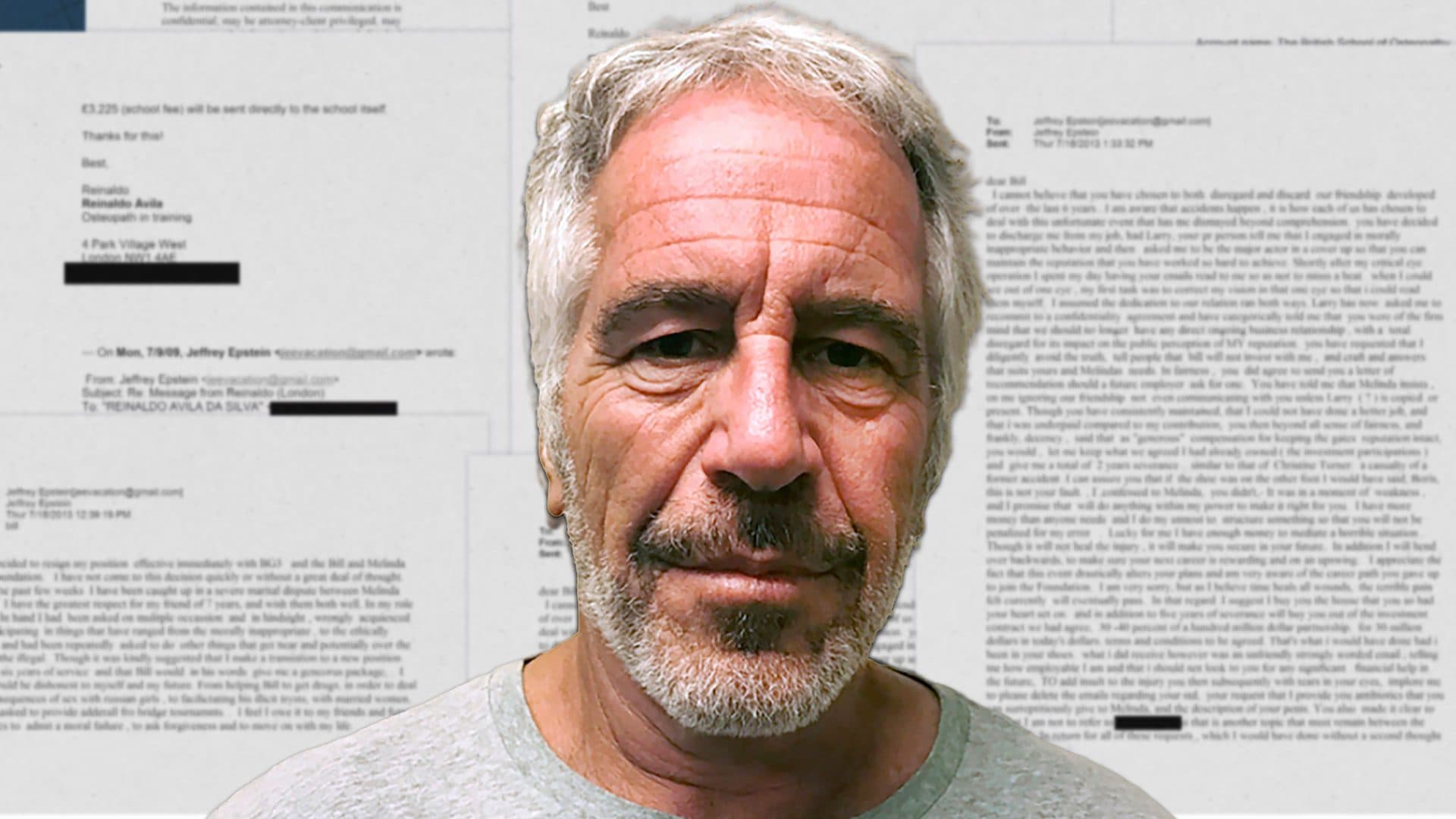
Epstein FOIA requests follow the same statutory framework as any other federal records request - intake, search, review, and release - but their size, multi-agency footprint, and privacy stakes make every stage slower and more heavily contested. Winning access usually comes down to three disciplines: scoping the request precisely at filing time, exhausting the administrative appeal before suing, and challenging specific exemption and segregability failures in court rather than arguing that the records simply matter. This consolidated guide covers the full life cycle of an Epstein records request: how agencies process large-volume demands, why third-party privacy review reshapes what gets released, how denials are appealed and then litigated in federal court, and how to audit the production logs and Bates ranges of whatever finally arrives. Each stage produces its own paper trail, and the archive linked throughout this guide preserves real examples of every artifact type - initial responses, supplemental waves, outside trackers, categorical refusals, and litigation-driven releases - so you can study the process through the documents it actually produced.
The Four-Stage Pipeline Behind Every Release Wave
When a request targets large, multi-office record sets, agencies process in stages rather than producing one complete package at once. FOIA offices first define what the request actually asks for, identify the record systems likely to hold responsive material, and determine whether other components must be consulted before anything moves. This intake stage is where many Epstein-related requests lose months before a single page is reviewed: overbroad wording forces expansive collection that later gets narrowed anyway, adding queue time without adding output. Getting scope right here is the single highest-leverage decision a requester makes, because everything downstream inherits it. To outside observers the request appears to have gone silent, but the silence is usually sequential workflow, not stonewalling.
Search and collection come next. Program offices query emails, case files, and archive repositories, and at high volume, deduplication and format normalization become meaningful bottlenecks. Search quality matters enormously at this stage, because missing a custodian early delays downstream review and triggers rework. The collected material then enters review - typically the longest stage in a large request - where analysts screen for exemptions, personal privacy, and inter-agency equities, and complex records can require line-by-line segregability analysis to separate what must be withheld from what can be released. Consultation adds another queue on top: records implicating another agency's equities wait for that component's sign-off before pages can move. This is why release counts jump in batches rather than climbing daily, and why four patterns explain most rolling releases:
- Reviewed pages are released while the remaining pages are still under analysis.
- Some agency components finish their review sooner than others, so their records reach the public first.
- Consultation with another agency can hold back a subset of records while the rest move forward.
- Administrative appeals and re-review generate follow-on release waves long after the first production.
That wave structure is visible across the Epstein archive itself. The FBI Vault releases arrived as a long numbered series rather than one file, supplemental productions followed the initial sets, and separate agencies produced their own responsive records on their own timelines. A later wave can also supersede an earlier one, restating pages with updated redactions, which is why wave labels matter as much as page counts. Reading these as discrete, dated waves - mapping each one by date, page count, and exemption pattern so changes stay measurable and auditable over time - is the most reliable way to track what has actually been disclosed:
- FBI FOIA Release - Jeffrey Epstein Part 01 of 22, the opening wave of the Bureau's numbered Vault series.
- FBI FOIA Vault Release - Part 22 of 22 (Final), the closing installment that completes that series.
- FBI Supplemental FOIA Release - 189 pages, June 2020, a follow-on production arriving after the initial sets.
- CBP FOIA records on Jeffrey Epstein's travel, a single-agency response to a targeted request.
- Secret Service visitor-log records released under FOIA, showing how narrowly scoped record types produce cleaner outputs.
- IRS FOIA production of Epstein foundation tax returns (Form 990), a focused request built around one record type.
Browse every FOIA response, tracker, and release wave preserved in the archive's dedicated FOIA collection, organized so production waves can be compared side by side.
Open the FOIA Document HubPrivacy Review: Where the Names Disappear
Third-party privacy review is the most misunderstood stage in the pipeline. FOIA is not only an access statute; it contains privacy safeguards, and when requested records name people other than the requester, agencies must weigh disclosure against privacy harm under statutory standards. The core question is whether release would create an unwarranted invasion of personal privacy or expose protected personal details in law-enforcement contexts. Answering it demands contextual review, not simple name matching - which is why automated redaction alone is rarely sufficient, why delays compound when records involve many identifiable individuals, and why these record sets stay slow no matter how much public attention a case receives. In each instance the agency weighs four things:
- Identity sensitivity: whether a named person is a public figure, private individual, victim, witness, or someone uninvolved.
- Context sensitivity: whether disclosure would imply unadjudicated misconduct.
- Public-interest balance: whether release genuinely advances understanding of agency performance.
- Segregability: whether non-sensitive portions of a page can still be released after masking.
When records implicate many third parties or several agency components, consultation adds review rounds and staged production becomes the norm - a pattern especially visible in high-profile request sets with mixed sources and overlapping equities. Even private individuals who appear in heavily covered records are still assessed for personal-privacy harm; public attention does not switch the safeguards off. Requesters should treat silence as pending, not final. When redacted pages do arrive, evaluate them systematically: check which exemption subsections are cited and where, separate identity redactions from substantive-content withholdings, and compare repeated redaction patterns across release waves. The most productive appeal target is overbroad masking - places where agency-conduct details could be disclosed without exposing sensitive personal identifiers. Privacy review is a legal balancing exercise, not a blanket secrecy switch, and in practice it usually produces partial release, redaction, or staged production rather than permanent withholding.
Law-enforcement withholdings follow their own rules. Our explainer on FOIA Exemption 7 covers when agencies can withhold files tied to ongoing enforcement interests - and when that claim can be tested.
Read: FOIA Exemption 7 ExplainedDenials, Appeals, and the Exhaustion Requirement
A FOIA lawsuit is won or lost on process discipline as much as on legal theory, and the process begins long before the courthouse. Requesters generally must complete the administrative appeal or establish constructive exhaustion based on agency delay before filing suit. Courts expect a clean administrative record: the request text, the agency's response timeline, its exemption citations, and the appeal history. Without that foundation, even strong public-interest arguments can stall, and missing the sequence entirely can trigger early dismissal regardless of how strong the underlying records dispute is. Appeals work best when they contest narrow issues rather than every withheld line at once, and the record built at this stage is what agency declarations will later be measured against. The archive preserves the artifacts this stage generates, from categorical refusals to the productions that followed litigation:
- CIA FOIA Glomar response, an agency reply that declines to confirm or deny that responsive records exist - a posture requesters can challenge.
- MuckRock's FOIA tracker for the CBP Epstein records request, showing how processing milestones are monitored from outside the agency.
- DOJ FOIA records on the Epstein investigation, a core production set for comparing what appeals and re-review later added.
- BOP FOIA release of MCC night-of-death communications, an example of a narrowly scoped, high-value record category.
- FBI initial FOIA response released through media litigation (2019), a production that arrived in the litigation posture.
- National Archives FOIA response on Epstein presidential records, where requests cross into a different records regime.
Classified material follows a different track than FOIA entirely. See how Mandatory Declassification Review differs from a records request - and when to use each route.
Read: MDR vs FOIALitigating an Epstein FOIA Case in Federal Court
A strong complaint targets specifics, not sentiment. Identify the exact request numbers and date ranges at issue, cite each exemption category being challenged, allege segregability failures where non-exempt portions may exist, and request declaratory and injunctive relief tied to concrete production outcomes - additional searches, segregability re-review, or reprocessing, because those are the orders courts actually issue. Once litigation begins, disputes typically center on the agency's declarations, the adequacy of its search, and the specificity of its withholdings. Courts will entertain challenges to boilerplate assertions, but they also defer when declarations are detailed and internally consistent. That is why broad claims that the records are important usually underperform narrow, document-level attacks: build the case around procedural defects, exemption overreach, and segregability gaps, then let the court evaluate a clear factual record rather than a generalized access dispute.
- Challenge exemption category definitions that are too broad to test.
- Ask for supplemental declarations when the agency's search description is vague.
- Separate disputed records by exemption so arguments stay clean rather than blended.
- Track rolling productions during the case - supplemental releases while litigation is pending are common - and update the disputed-records list as new waves arrive.
- Expect intermediate outcomes: orders for additional search, partial production after segregability review, sustained withholdings where harm is well supported, or reprocessing before final judgment.
When withholdings are challenged in court, agency declarations and the Vaughn index become the center of the case. Learn how to read one and what it must justify.
Read: What a Vaughn Index IsAuditing What Actually Arrives
Large releases become hard to audit when readers focus on headline pages and ignore the production log. Bates numbers mark each page with a sequential identifier tied to a production run; they exist to track citations, preserve context, and compare versions, and ranges matter more than single pages because they reveal whether a record sits inside a complete packet or a partial extract. Production logs are the companion record, showing when, how, and under what conditions records were released - and the same Bates page can legitimately appear in more than one release when a supplemental or replacement production restates earlier material with updated redactions or metadata. Numbering gaps are research prompts, not automatic proof of withholding: gaps can come from withheld pages, quality-control removal, duplicate suppression, or records processed in later waves, so verify against agency letters, Vaughn materials, or later logs before assigning cause. The most common reader errors are quoting a Bates page without its range context, merging separate production waves into one timeline event, treating redacted pages and missing pages as the same status, and overlooking replacement productions that supersede earlier files.
- Match each release date to its corresponding Bates range, and note the record category and originating office where the log lists them.
- Mark whether each wave is an initial, supplemental, or replacement production before citing anything from it.
- Build a tracking sheet keyed by Bates range, date, and source file name, and keep claim notes tied to exact page IDs for auditability.
- Flag unresolved numbering issues, revisit them after each new release, and update summaries only after reconciling all known waves.
For requesters, the levers that most improve outcomes are set at filing time: use narrow date ranges and named offices where possible, ask explicitly for rolling release in the initial request so early-completed batches arrive sooner, request communication logs to monitor processing milestones, and file targeted follow-up requests for high-value record categories. Above all, keep interpretation disciplined. Mapped waves, labeled exemptions, and reconciled Bates ranges turn a sprawling document dump into an auditable record, and that audit trail is what separates durable reporting from speculation. Large-volume processing is slow because it is multistage, not because every delay is intentional - and appearing in a FOIA-released file is not a finding of wrongdoing. Individuals named in these records are presumed innocent unless and until allegations are proven in court.
Once records are released, finding what you need inside them is its own skill. Use our walkthrough of the DOJ Epstein Library's search tools to work the files directly.
Read: DOJ Library Search GuideContinue Reading
Explore Archive Hubs
Sources & References
Frequently Asked Questions
Why do large Epstein FOIA requests go quiet for months at a time?
Because search, review, consultation, and redaction run in long multi-office stages before a release wave is ready. Silence usually reflects sequential workflow - intake, collection, then line-by-line review - rather than a final decision to withhold.
Do I need to file an administrative appeal before suing over a FOIA denial?
In most cases yes. Courts expect the appeal process to be complete unless constructive exhaustion applies because of agency timing failures. Skipping the sequence risks early dismissal regardless of how important the records are.
Does third-party privacy review mean Epstein records will never be released?
No. Privacy review is a balancing exercise that more often ends in partial release, redaction, or staged production than in permanent withholding. Private individuals can still be redacted even in cases that receive heavy public attention.
Do gaps in Bates numbering prove records were removed from a release?
No. Gaps can reflect withheld pages, deduplication, quality-control removal, or records still being processed for a later wave. Verify against agency letters, Vaughn materials, or subsequent production logs before assigning a cause.
Can an agency keep releasing records after a FOIA lawsuit begins?
Yes. Rolling and supplemental productions during litigation are common in large FOIA disputes, so plaintiffs should track each new wave and update their disputed-records list as the case proceeds.
What single change most speeds up an Epstein FOIA request?
Clear scope. Narrow date ranges, named offices or custodians, and focused record types reduce collection and review time, cut rework, and pair well with an explicit request for rolling release of early-completed batches.
Disclaimer: All information in this article is sourced from publicly available court records, government FOIA releases, and credible news reporting. This is informational content. Inclusion or mention of any individual does not imply wrongdoing. All persons are presumed innocent unless proven guilty in a court of law.