Courts & Legal Process — Epstein Case Coverage
Most of what the public knows about the Epstein case exists because a court ordered it released — and most of what remains hidden stays hidden because of specific, identifiable legal mechanisms: grand jury secrecy under Rule 6(e), protective orders covering discovery, sealed dockets, and privacy protections for victims and uncharged third parties. Understanding those mechanisms is the difference between reading the record accurately and guessing.
This section covers the litigation itself — civil suits, criminal proceedings, appeals, and records lawsuits — and the procedural machinery around it: how courts decide motions to unseal, what protective orders actually restrict, how status conferences and referrals work, and what appellate and collateral review can and cannot change. The aim is practical: give readers enough legal context to interpret each new filing or ruling in the case without overstating what it proves.
All Courts & Legal Process Articles (3)
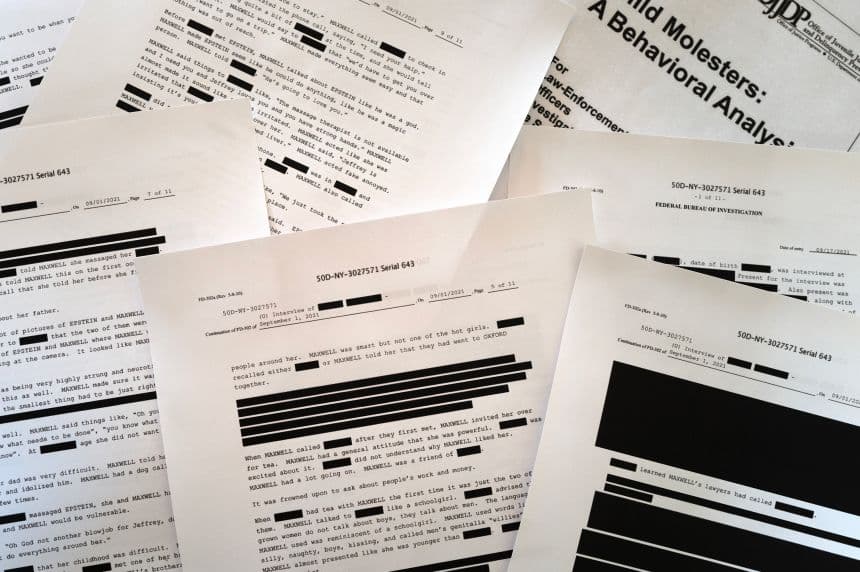
Sealed Records in the Epstein Case: Court Procedure Guide
How sealed records work in the Epstein case: Rule 6(e) grand jury secrecy, protective orders, victim-privacy redactions, and the litigation that unseals them.

Trump WSJ Epstein lawsuit dismissed: April 2026 court update
Searches rose after a Florida judge dismissed Trump’s $10B WSJ Epstein defamation suit on April 13, 2026, while allowing an amended complaint by April 27.
What Rule 6(e) Allows Courts to Unseal After Conviction
Rule 6(e) does not automatically open grand jury material after conviction. This article explains the legal tests courts apply, what still stays protected, and