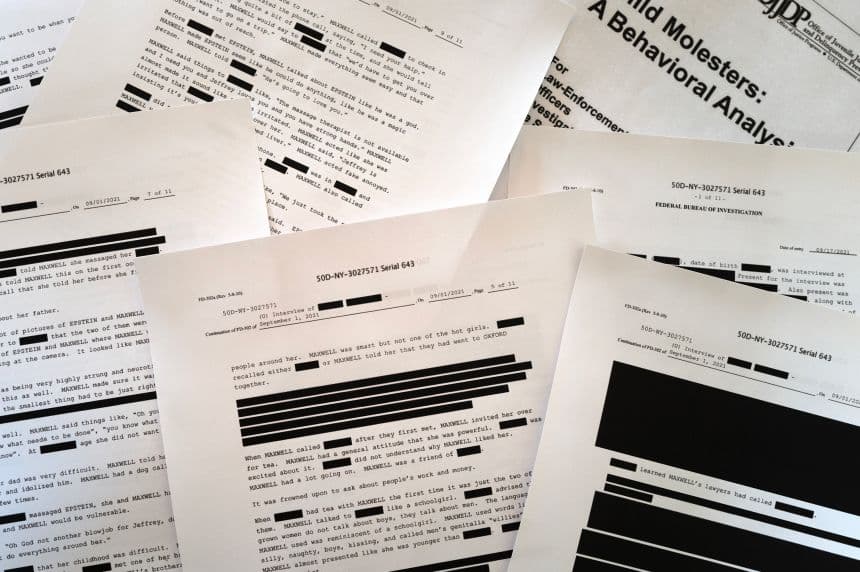
Timeline reconstruction is strongest when analysts treat each record type as a partial signal. Call logs, flight records, and filing timestamps can confirm sequence and co-occurrence, but each source has gaps and formatting limits. A defensible timeline documents those limits instead of smoothing them away [1][2].
TL;DR
- No single dataset should define a full event chronology on its own.
- Timezone and source-normalization errors are a top cause of false conflicts.
- Event confidence labels improve transparency for users and editors.
- Timelines should be updated only when new records materially change sequence.
Source Hierarchy for Timeline Work
Primary records with clear origin and timestamp provenance should carry more weight than secondary summaries. In practice, that means prioritizing official logs, docketed records, and source documents over derivative commentary. The hierarchy should be explicit so readers understand why one timestamp was preferred over another [1][2][3].
Timezone and Format Normalization
- Convert all timestamps to a common baseline before comparison.
- Mark source timezone assumptions when records omit zone metadata.
- Distinguish local-time logs from system-time exports.
- Retain original timestamp strings alongside normalized values.
Conflict Resolution Rules
- Flag conflicts first instead of forcing a merged sequence.
- Check whether records describe event start, end, or midpoint.
- Use corroborating data points before revising established sequence.
- Keep prior versions archived when timeline revisions are published.
Confidence Labels That Help Readers
- Confirmed: supported by two or more independent primary records.
- Probable: supported by one strong primary record and contextual fit.
- Unresolved: conflicting records with no clear tie-breaker yet.
- Deprecated: prior interpretation replaced by newer authoritative records.
Bottom Line
Timeline reconstruction is not about forcing certainty from incomplete records. It is about building a transparent, updateable sequence with explicit confidence levels and clear evidence links for every event claim [1][2][3].
Read why the Biden administration did not release the files earlier
Read: Biden Release AnalysisReview Maxwell's Fifth Amendment congressional testimony
Read: Maxwell in CongressUse the core timeline hub to connect hearings, filings, and releases
Open Hub: Complete TimelineContinue Reading
Explore Archive Hubs
Sources & References
Frequently Asked Questions
Why do different sources show different event times?
Different timezone conventions, logging systems, and event definitions can create apparent conflicts that need normalization. The article links the point to dated records, public filings, or source-attributed reporting.
Should a timeline include unresolved conflicts?
Yes. Marking unresolved conflicts is better than forcing a single sequence without adequate support.
What improves timeline trust most for readers?
Clear source citations, standardized time handling, and explicit confidence labels for each event. The article links the point to dated records, public filings, or source-attributed reporting.
Disclaimer: All information in this article is sourced from publicly available court records, government FOIA releases, and credible news reporting. This is informational content. Inclusion or mention of any individual does not imply wrongdoing. All persons are presumed innocent unless proven guilty in a court of law.