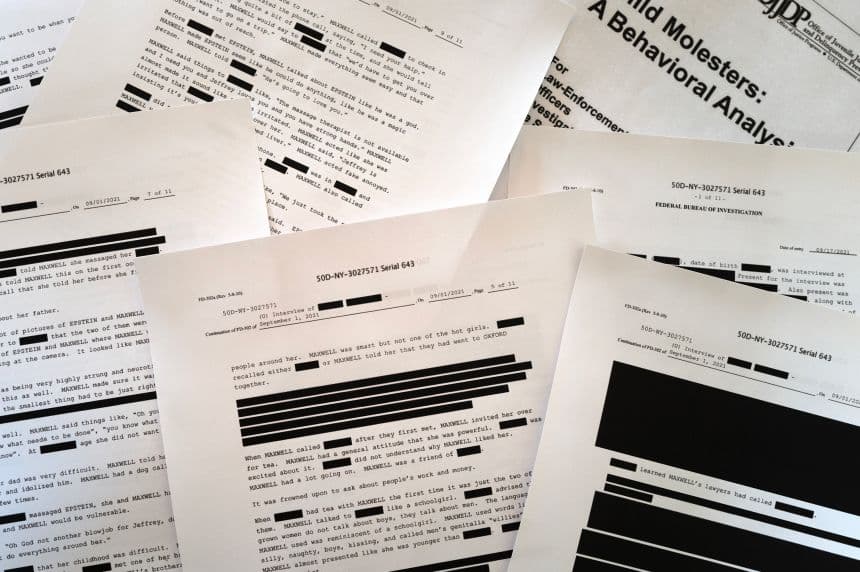
Chain of custody is the continuity record for evidence handling. For both physical items and digital data, it documents collection, transfer, storage, and analysis steps so reviewers can test whether the evidence remained intact. If that chain is weak, confidence in downstream conclusions weakens with it [1][2].
TL;DR
- Chain of custody tracks possession, control, and handling events.
- Digital evidence adds integrity checks like hashes and imaging logs.
- Gaps do not always invalidate evidence but they raise reliability questions.
- Good analysis separates minor documentation errors from material integrity risks.
What a Strong Chain Includes
- Unique evidence identifiers tied to collection context.
- Time-stamped transfer records with named custodians.
- Storage condition logs and access controls.
- Documentation of testing steps and return or disposition events.
Digital vs Physical: Different Failure Modes
Physical evidence risks include packaging errors, seal breaks, and undocumented movement. Digital evidence risks include incomplete imaging, missing hash verification, or unclear tool workflows. Both require reproducible documentation, but digital workflows add technical integrity requirements that can be audited mathematically [1][2][3].
How Hashes Support Integrity
Forensic processes commonly compute cryptographic hashes at key stages. Matching hashes across collection and analysis checkpoints supports the claim that data remained unchanged. A mismatch does not automatically prove tampering, but it requires immediate explanation, re-validation, and clear reporting on impact scope [2][3].
Red Flags Reviewers Should Track
- Unexplained custody gaps or timestamp conflicts.
- Evidence relabeling without cross-reference to prior IDs.
- Missing acquisition or verification metadata for digital images.
- Narrative claims that exceed what chain records actually support.
Bottom Line
Chain-of-custody review is about traceability, not theatrics. When handling logs, hashes, and transfer records align, readers can evaluate evidence with higher confidence. When they do not, the right response is targeted verification, not assumption-driven conclusions [1][2][3].
Read why the Biden administration did not release the files earlier
Read: Biden Release AnalysisReview Maxwell's Fifth Amendment congressional testimony
Read: Maxwell in CongressUse the core timeline hub to connect hearings, filings, and releases
Open Hub: Complete TimelineContinue Reading
Explore Archive Hubs
Sources & References
Frequently Asked Questions
Does one custody gap automatically make evidence unusable?
Not always, but unexplained gaps can reduce evidentiary weight and trigger closer judicial scrutiny. The article links the point to dated records, public filings, or source-attributed reporting.
Why are hashes important for digital records?
Hashes provide a repeatable integrity check that helps show whether data changed between collection and analysis. The article links the point to dated records, public filings, or source-attributed reporting.
What is the first thing to verify in a chain-of-custody dispute?
Verify timeline continuity: identifiers, timestamps, custodians, and transfer documentation should all align. The article links the point to dated records, public filings, or source-attributed reporting.
Disclaimer: All information in this article is sourced from publicly available court records, government FOIA releases, and credible news reporting. This is informational content. Inclusion or mention of any individual does not imply wrongdoing. All persons are presumed innocent unless proven guilty in a court of law.