Editorial note: This article is sourced analysis based on publicly available court records, government releases, and credible news reporting. Primary documents and reporting referenced are listed in the Sources & References section below and linked in our archive.
Why this is in the news now
In short: On March 26-27, 2026, House Oversight Democrats published letters seeking transcribed interviews with private investigators linked to materials removed from Jeffrey Epstein's Palm Beach residence before a 2005 police search. The letters rely on committee testimony and DOJ-released records, and the current public dispute is about custody, preservation, and potential evidentiary gaps, not a new criminal adjudication.
Search intent has shifted toward highly specific queries such as 'epstein private investigators,' 'epstein hard drives removed,' and the names Paul Lavery, Steve Kiraly, and William Riley after committee letters and follow-on coverage in late March 2026.
What triggered the 2026 document push
The Oversight Democrats' March 27 release says new information from Darren Indyke's March 19, 2026 committee deposition led lawmakers to seek interviews and preservation of materials that may have been removed from Epstein's home and held outside law-enforcement custody.
- March 19, 2026: Darren Indyke gave deposition testimony before House Oversight, according to committee statements and AP reporting.
- March 26, 2026: Ranking Member Robert Garcia sent letters to William Riley, Paul Lavery, and Steve Kiraly requesting interviews and preservation of evidence.
- March 27, 2026: Oversight Democrats publicly announced the letters and linked supporting records.
Inclusion in records, letters, or reporting does not itself establish criminal wrongdoing. All persons are presumed innocent unless and until convicted in court.
What the letters and DOJ-linked records describe
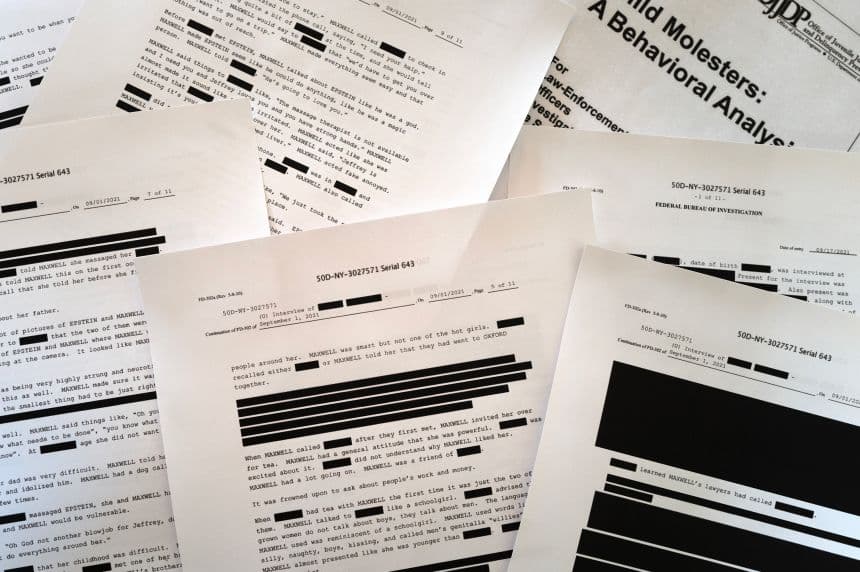
The posted letters cite older documents that describe removal of 'items of potential evidentiary value' from Epstein's Palm Beach property before police execution activity in the 2005-2007 period. They also reference records suggesting computers or related materials were kept in storage and became a later point of dispute.
- A cited 2005 memo (DOJ dataset reference EFTA01733753) describes items removed from the Palm Beach residence.
- A cited grand-jury subpoena record (EFTA00178967) sought information from the investigators' firm during the earlier Florida case period.
- A cited 2009 email record (EFTA00884246) is referenced in committee correspondence regarding computer-related materials in storage.
- A cited billing-summary record (EFTA01117337) is used to support claims about continued storage arrangements.
What remains unresolved in the public record
Publicly posted letters and media reports raise factual questions about chain of custody, preservation, and whether all relevant materials reached investigators. They do not, by themselves, resolve evidentiary admissibility questions or establish the full contents and condition of every item referenced.
Read primary-source filings and letters directly before relying on shortened social-media summaries.
Browse CorrespondenceWhy this matters for archive users
For researchers tracking the Epstein timeline, this is a records-governance story as much as a criminal-history story. The key issue is not internet rumor but documentable process: who held what, when they held it, whether preservation obligations were met, and how later investigations handled those gaps.
Place these letters in sequence with prior Palm Beach investigation steps and later congressional actions.
Open TimelineNames appear in this article for documentary context only. Inclusion does not imply wrongdoing, and all persons are presumed innocent unless and until proven guilty in a court of law.
Continue Reading
Explore Archive Hubs
Sources & References
- House Oversight Democrats: Ranking Member Robert Garcia Demands Answers on Hard Drives Removed From Epstein Residence (Mar. 27, 2026)
- House Oversight Democrats letter to William H. Riley re Epstein (Mar. 26, 2026)
- House Oversight Democrats letter to Paul Lavery re Epstein (Mar. 26, 2026)
- House Oversight Democrats letter to Steve Kiraly re Epstein (Mar. 26, 2026)
- DOJ Epstein records dataset reference: Memorandum from William Riley to Roy Black (EFTA01733753)
- DOJ Epstein records dataset reference: Subpoena to Custodian of Records, Riley Kiraly (EFTA00178967)
- Associated Press: Epstein's former attorney tells House panel he didn't know about the abuse (Mar. 19, 2026)
- ABC News video: Congress seeks information on potential Epstein evidence concealed from investigators (Mar. 27, 2026)
Frequently Asked Questions
Did Congress allege a completed criminal finding against the investigators in March 2026?
No. The posted letters request voluntary transcribed interviews and preservation of materials. They describe investigative concerns and cited records, but they are not criminal verdicts.
What is the core document claim in this evidence-removal dispute?
The main claim is that computers and other potentially relevant items were removed from Epstein's Palm Beach residence before key law-enforcement actions and may have remained in private custody. The linked letters cite specific DOJ dataset documents to support that timeline.
Does this 2026 update prove what was on the devices?
No. The currently public materials focus on custody, storage, and preservation history. They do not by themselves establish a complete forensic inventory of device contents in the public record.
Why are these letters relevant if the underlying events are old?
Because oversight action in 2026 can affect what records are preserved, disclosed, and tested against earlier investigative timelines. For archival analysis, the procedural trail is often as important as the original event date.
Disclaimer: All information in this article is sourced from publicly available court records, government FOIA releases, and credible news reporting. This is informational content. Inclusion or mention of any individual does not imply wrongdoing. All persons are presumed innocent unless proven guilty in a court of law.