Editorial note: This article is sourced analysis based on publicly available court records, government releases, and credible news reporting. Primary documents and reporting referenced are listed in the Sources & References section below and linked in our archive.
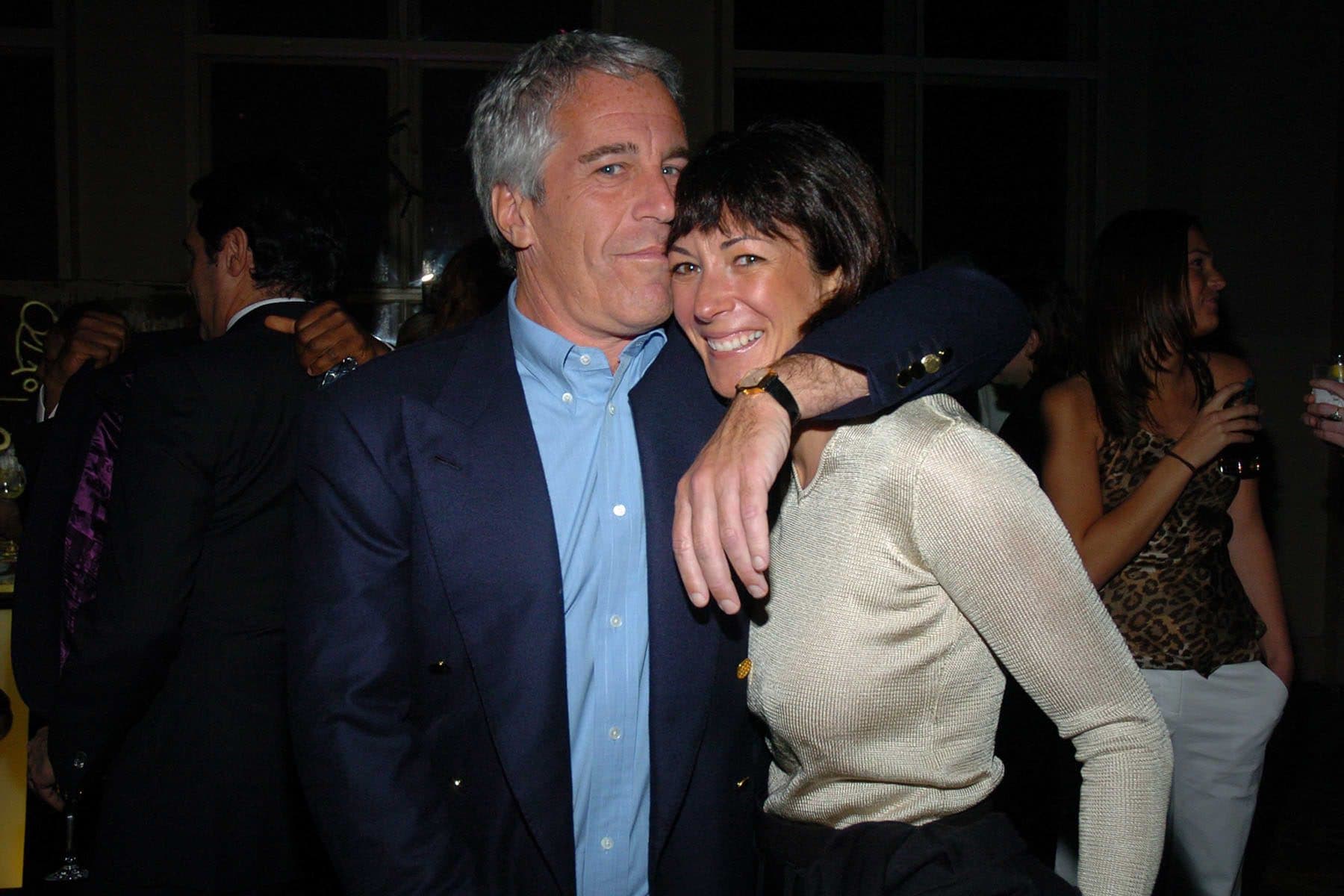
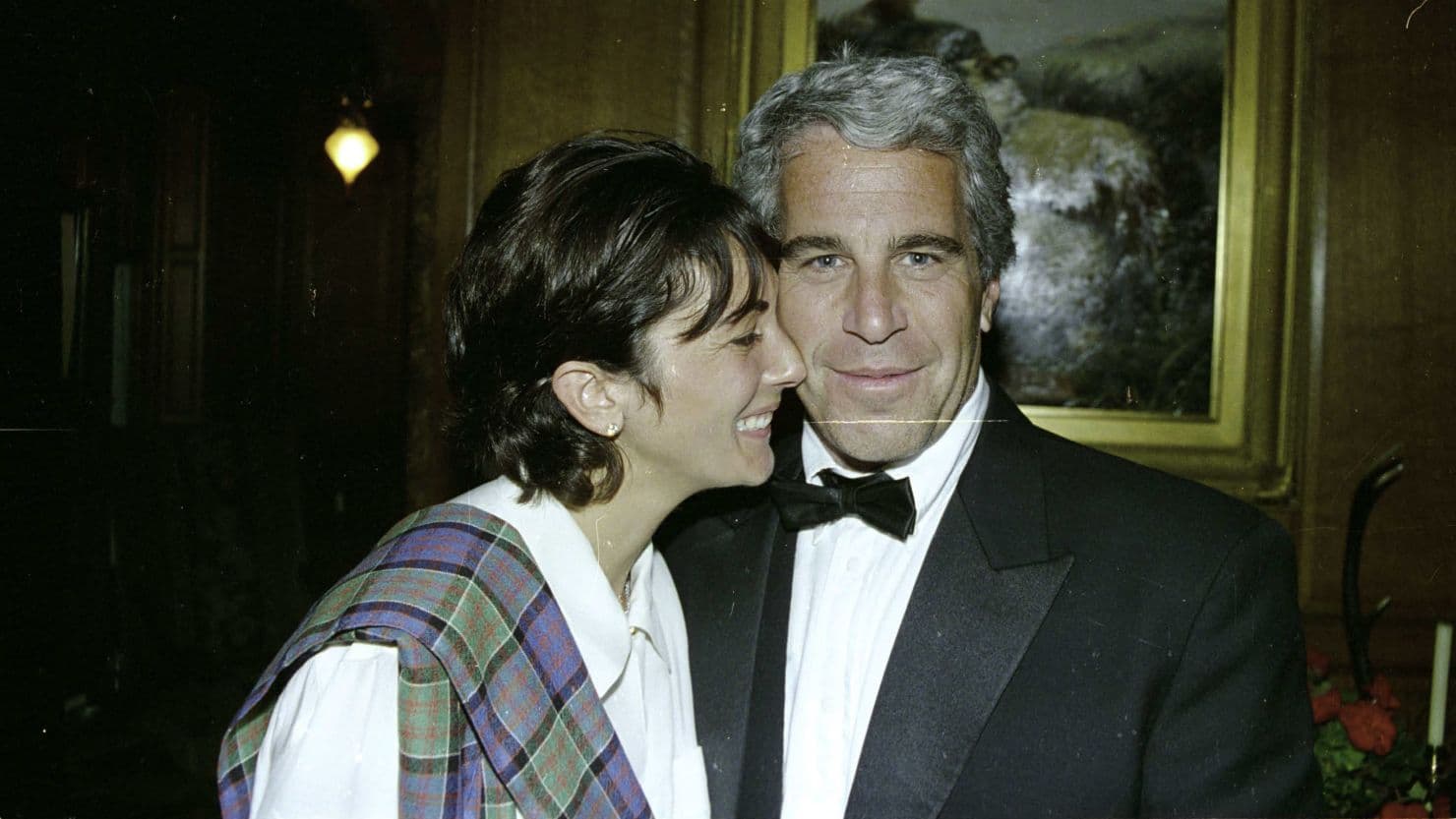
In one of the most anticipated moments of the ongoing Epstein investigation, Ghislaine Maxwell appeared before the House Oversight Committee on February 9, 2026, via video link from her federal prison in Texarkana, Texas. Serving a 20-year sentence for sex trafficking, Maxwell invoked her Fifth Amendment right against self-incrimination on virtually every substantive question, leaving lawmakers and the public without answers about Jeffrey Epstein's criminal network.
The Congressional Subpoena and Deposition
The House Committee on Oversight and Government Reform had subpoenaed Maxwell in July 2025, months after the Epstein Files Transparency Act was signed into law. The legislation, which mandated the release of millions of pages of Epstein-related documents, also empowered Congress to seek testimony from key figures in the case. Maxwell's deposition was conducted behind closed doors, though key details were subsequently released to the public.
Despite the gravity of the proceedings, Maxwell declined to provide any meaningful testimony. When asked about Epstein's associates, his properties, his financial arrangements, and the identities of co-conspirators, she repeatedly invoked the Fifth Amendment. Her silence left a conspicuous gap in the congressional record at a time when public interest in the Epstein case had reached unprecedented levels following the January 2026 document release.
The Clemency Gambit
Perhaps the most striking moment came not from Maxwell herself but from her attorney, who told the committee that Maxwell would "very much like to answer questions" — but only if President Trump granted her clemency. The lawyer suggested Maxwell possessed information that could exonerate both Trump and former President Clinton, framing her cooperation as contingent on a presidential pardon or commutation of her sentence.
Legal experts were quick to note the unusual nature of this conditional offer. Former federal prosecutors pointed out that defendants who genuinely wish to cooperate typically do so through formal cooperation agreements with the Justice Department, not through public negotiations mediated by congressional testimony. The clemency demand raised questions about whether Maxwell was genuinely seeking to provide useful information or simply leveraging her knowledge for personal benefit.
The fact that Maxwell is willing to talk but only in exchange for her freedom tells us she knows the information she holds is extraordinarily valuable — and extraordinarily dangerous to powerful people.
Maxwell's Conviction and Appeals
Maxwell was convicted in December 2021 on five of six federal charges, including sex trafficking of a minor and conspiracy. Her conviction was upheld by the Second Circuit Court of Appeals in September 2024, and the Supreme Court declined to hear her appeal in October 2024, exhausting her direct appellate options. She is currently housed at a low-security federal prison camp and is not eligible for release until 2037.
Throughout her trial and subsequent appeals, Maxwell maintained her innocence, arguing that she was being scapegoated for Epstein's crimes after his death in a Manhattan jail cell in August 2019. Her defense team has consistently argued that prosecutors failed to prove she was aware of Epstein's criminal conduct, despite extensive evidence presented at trial showing her direct involvement in recruiting and grooming underage victims.
Read the original court filings and depositions from the Maxwell case
Browse Deposition DocumentsWhat Maxwell's Silence Means for Victims
For the dozens of women who testified against Maxwell and the many more who have come forward as Epstein survivors, Maxwell's refusal to testify represents another chapter in a long history of institutional failure. Victim advocates have argued that Maxwell holds critical information about the full scope of Epstein's trafficking operation — information that could identify additional perpetrators and provide closure to survivors who have waited years for accountability.
The congressional hearing underscored the tension between the legal rights of the accused and the public's demand for transparency in one of the most consequential criminal cases in modern American history. As the Epstein files continue to be released and analyzed, Maxwell's silence remains one of the most significant unanswered questions in the investigation.
Maxwell's Role in the Broader Investigation
Maxwell is widely regarded as the individual with the most comprehensive knowledge of Epstein's criminal operation. Prosecutors at her trial described her as the person who 'made the whole scheme work,' managing the logistics of victim recruitment, travel arrangements, and property management across multiple locations. Victims testified that Maxwell was present during abuse, participated directly in some instances, and served as the primary point of contact for young women being brought into Epstein's network.
Her refusal to cooperate with congressional investigators, combined with the conditional nature of her clemency offer, suggests that she possesses information of extraordinary value and sensitivity. Whether that information will ever become public depends on factors ranging from presidential politics to Maxwell's own calculations about her legal exposure, the safety of potential witnesses, and the possibility of future legal proceedings that might provide incentives for cooperation.
Explore the full archive of Epstein case documents, including victim testimony, court filings, and government disclosures
Browse Epstein's InboxContinue Reading
Explore Archive Hubs
Sources & References
Frequently Asked Questions
Did Ghislaine Maxwell testify before Congress about Epstein?
Maxwell appeared before the House Oversight Committee via video from federal prison on February 9, 2026, but invoked her Fifth Amendment right against self-incrimination on virtually every substantive question.
Did Maxwell offer to cooperate with Congress on the Epstein case?
Maxwell's attorney told the committee she would 'very much like to answer questions' but only if President Trump granted her clemency, making her cooperation conditional on a presidential pardon or commutation.
Why did Ghislaine Maxwell invoke the Fifth Amendment?
Maxwell invoked her Fifth Amendment right to avoid self-incrimination because answering questions about Epstein's criminal enterprise could expose her to additional legal liability beyond her existing 20-year sex trafficking sentence.
Disclaimer: All information in this article is sourced from publicly available court records, government FOIA releases, and credible news reporting. This is informational content. Inclusion or mention of any individual does not imply wrongdoing. All persons are presumed innocent unless proven guilty in a court of law.