Editorial note: This article is sourced analysis based on publicly available court records, government releases, and credible news reporting. Primary documents and reporting referenced are listed in the Sources & References section below and linked in our archive.
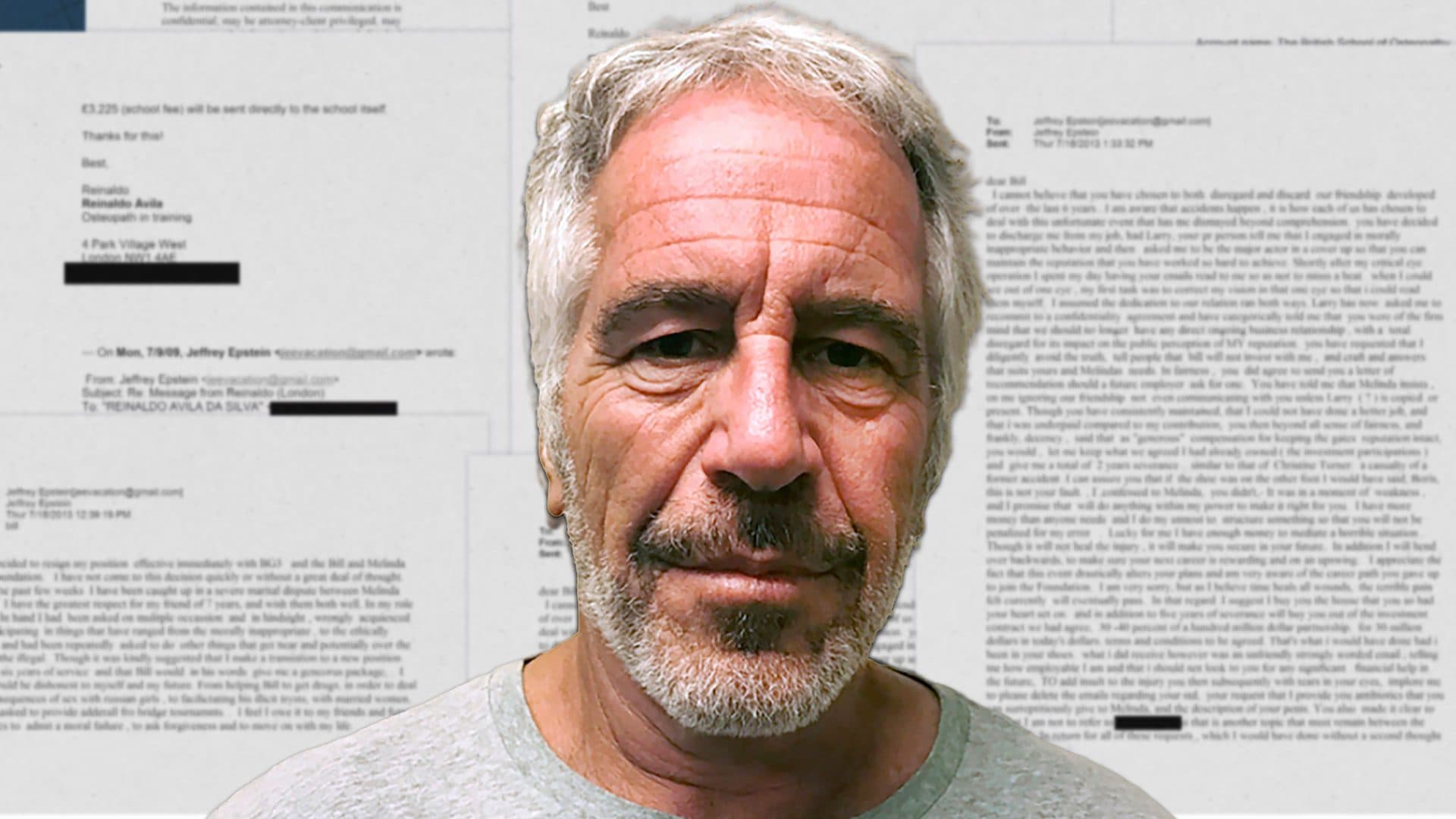
Why didn't Biden release the Epstein files? Despite four years in office, bipartisan public pressure, and explicit calls from members of his own party, the Biden administration never directed the Department of Justice to release the millions of pages of investigative records related to Jeffrey Epstein's sex trafficking operation. The answer involves a combination of legal constraints from the ongoing Maxwell prosecution, a strict interpretation of DOJ independence from White House influence, grand jury secrecy rules under Federal Rule of Criminal Procedure 6(e), and — critics argue — a lack of political will to confront the powerful interests implicated in the files.
In short: The Biden administration did not release the Epstein files because the DOJ maintained the case was an active criminal investigation throughout Biden's entire term, with the Maxwell trial, appeal, and grand jury secrecy creating legal barriers to disclosure. It ultimately took Congress passing the Epstein Files Transparency Act by a 427-1 vote to force the release of over 3.5 million pages of documents under the subsequent Trump administration.
Early Democratic Calls for Epstein Record Release
The notion that Democrats were never interested in Epstein transparency is demonstrably false. According to a PolitiFact fact-check published in August 2025 through the office of Rep. Debbie Wasserman Schultz (D-FL), several Democratic members of Congress were among the earliest advocates for releasing Epstein-related records — years before it became a mainstream political issue.
In 2019, prior to Epstein's arrest in July of that year, Rep. Lois Frankel (D-FL) and Rep. Debbie Wasserman Schultz led bipartisan efforts demanding the Justice Department release records related to the controversial 2008 non-prosecution agreement negotiated by then-U.S. Attorney Alexander Acosta. They sought testimony from Acosta about why he had allowed Epstein to plead guilty to a single state charge of soliciting prostitution from a minor — a deal that was widely condemned as a sweetheart arrangement that let a serial sex trafficker avoid federal prosecution.
These efforts continued through 2020, when the DOJ told Democratic members of Congress to cease their investigation activities because they could "compromise the Maxwell investigation," according to the PolitiFact report. Rep. Frankel confirmed this account, noting that the Justice Department explicitly asked lawmakers to stand down to protect the integrity of the federal prosecution of Ghislaine Maxwell, who had been arrested in July 2020 on charges of sex trafficking and conspiracy.
After Biden took office in January 2021, Democratic public pressure for Epstein record releases diminished significantly. The PolitiFact analysis noted that while some legislative efforts continued behind the scenes, the visible, vocal advocacy that had characterized the 2019-2020 period largely evaporated. This created the political opening that Republicans would later exploit, arguing that Democrats had four years to release the files and chose not to.
A full accounting for these heinous crimes is lacking. Those prospects changed when Republicans momentarily joined the call for disclosure. — Rep. Debbie Wasserman Schultz (D-FL), August 2025
Biden's DOJ Independence Doctrine: Why the White House Stayed Silent
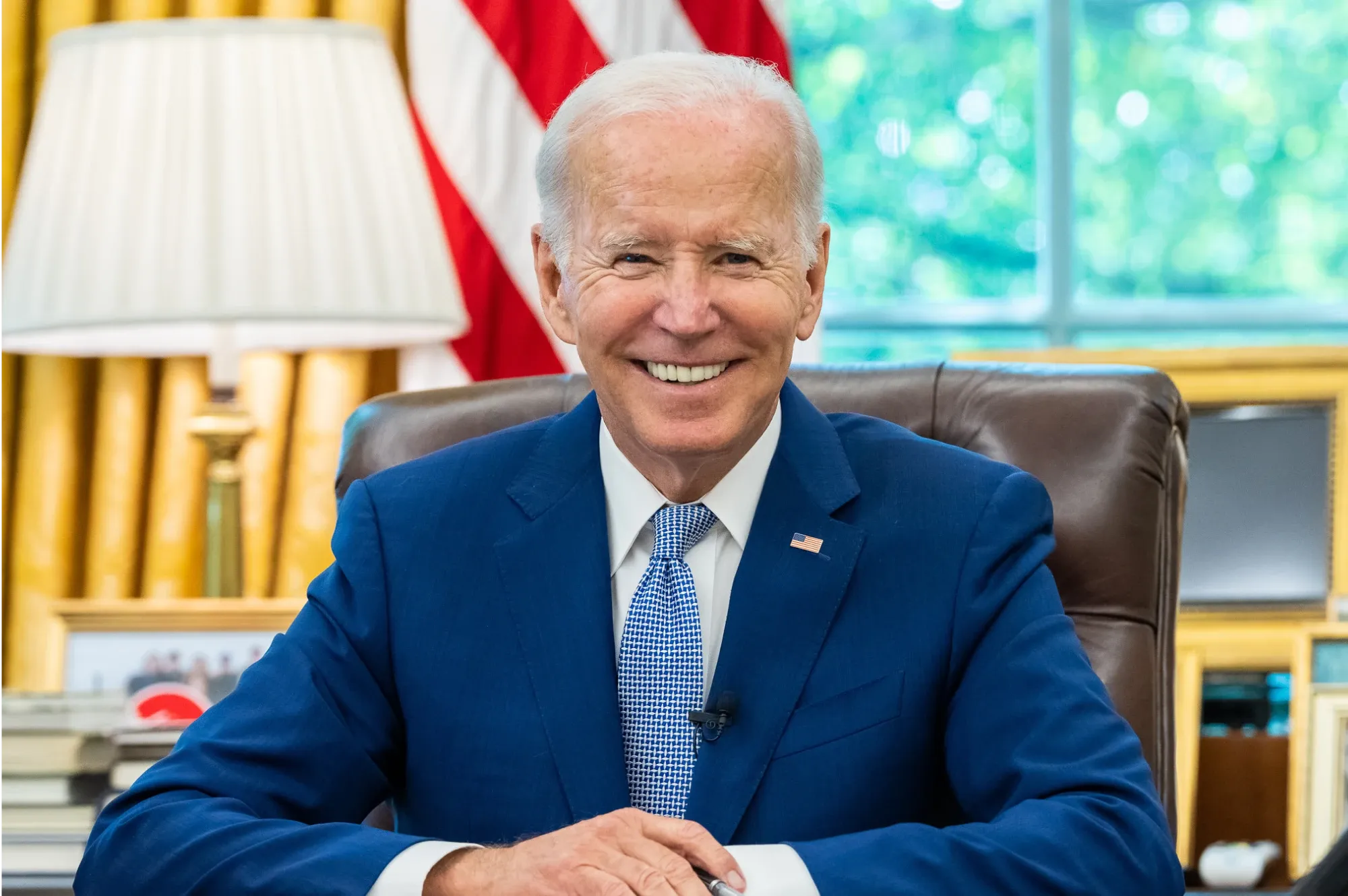
The Biden administration's most prominent defense for not releasing the Epstein files came from former Vice President Kamala Harris herself. In a December 2025 appearance on Jimmy Kimmel Live!, reported by The Hill, Harris articulated the core argument: the Biden White House maintained a deliberate and absolute separation between executive preferences and Department of Justice operations.
"We strongly and rightly believed that there should be an absolute separation between what we wanted as an administration and what the Department of Justice did," Harris told Kimmel. "We absolutely adhered to that, and it was right to do that." This principle — sometimes called the DOJ independence norm — was established in the post-Watergate era to prevent presidents from using the Justice Department as a political weapon. Biden had campaigned on restoring this norm after what his administration characterized as Donald Trump's repeated interference with DOJ operations during his first term.
We strongly and rightly believed that there should be an absolute separation between what we wanted as an administration and what the Department of Justice did. We absolutely adhered to that, and it was right to do that. — Kamala Harris on Jimmy Kimmel Live!, December 2025
However, as The Hill reported, this position created an awkward contradiction. Just weeks before her Kimmel appearance, Harris had publicly called on Trump to "release the files" during a podcast appearance with The Bulwark, accusing the incoming president of "gaslighting the American people" by claiming he needed Congressional authorization to do so. Critics were quick to note the tension: Harris was demanding that Trump do something she and Biden had spent four years declining to do themselves.
Legal scholars have debated whether the DOJ independence norm, while important, actually prevented Biden from acting. As several commentators noted at the time, DOJ independence is a norm — not a constitutional mandate or a law. A president can request that the Attorney General prioritize transparency without directing specific prosecutorial decisions. The distinction between saying "release these documents" and "prosecute this person" is significant, and Biden's blanket deference arguably conflated the two.
The Maxwell Prosecution and Grand Jury Secrecy
Beyond the political and philosophical arguments, there were genuine legal barriers to releasing the Epstein files during the Biden administration. As NewsNation reported in November 2025, the Epstein case remained classified as an active criminal investigation throughout Biden's entire four-year term — a fact that many commentators overlooked in the partisan debate.
Julie K. Brown, the Miami Herald investigative journalist whose "Perversion of Justice" series was instrumental in reopening the Epstein case, explained the legal constraints clearly: the government had an active grand jury, and "anyone in law enforcement knows you don't open your case file when it's still under appeal." The timeline of the Maxwell prosecution illustrates why the DOJ considered the case open throughout the Biden years:
- December 2021: Ghislaine Maxwell convicted on five of six federal charges, including sex trafficking of a minor — trial materials remained under seal pending appeal
- June 2022: Maxwell sentenced to 20 years in federal prison — sentencing documents and related records remained protected
- September 2024: The Second Circuit Court of Appeals upheld Maxwell's conviction, but appeal-related protections on case materials persisted
- October 2024-2025: The Supreme Court declined to hear Maxwell's appeal, technically exhausting her direct appellate options
- Throughout 2021-2025: Grand jury materials remained sealed under Federal Rule of Criminal Procedure 6(e), which strictly prohibits disclosure of grand jury proceedings without a court order
Federal Rule 6(e) was a particularly significant barrier. Grand jury secrecy is one of the oldest protections in American law, designed to protect witnesses, prevent flight by targets, and ensure the integrity of investigations. The Epstein grand jury materials — spanning the original 2006-2008 Florida investigation through the 2019-2021 federal prosecution — contained testimony from dozens of witnesses, some of whom were victims who had been promised confidentiality.
However, it is critical to distinguish between what the Biden DOJ could not release and what it chose not to seek to release. While grand jury materials required a court order to unseal, nothing prevented the Attorney General from petitioning the courts for such an order. The DOJ could have filed motions to unseal grand jury testimony on the grounds that the public interest in disclosure outweighed the traditional reasons for secrecy — particularly after Maxwell's appeals were exhausted. Biden's DOJ simply never made that request.
Browse the DOJ disclosures and government records released under the Epstein Files Transparency Act
View DOJ DisclosuresWhat About the Civil Documents? A Crucial Distinction
One frequently overlooked fact in this debate is that significant Epstein-related documents were released during the Biden era — just not by the executive branch. Federal judges, particularly Judge Loretta A. Preska of the Southern District of New York, ordered the unsealing of thousands of pages of civil case documents from the Giuffre v. Maxwell lawsuit. In January 2024, Judge Preska ordered the release of over 4,553 pages that named more than 150 individuals connected to Epstein.
These judicial unsealing decisions were separate from the DOJ's investigative files. The court filings, depositions, and exhibits from civil litigation were under judicial control, not executive branch control. This distinction matters because it shows that transparency was possible through judicial channels even while the Biden administration maintained its position of non-interference with DOJ operations. As NewsNation reported, this nuance was frequently lost in the partisan debate over who was responsible for keeping the files sealed.
Public Frustration: Reddit and Social Media Pressure
While Washington debated legal norms and procedural barriers, the American public grew increasingly frustrated with the lack of transparency. Reddit communities including r/Epstein, r/politics, and r/conspiracy became hubs for discussion about why the Biden administration was not acting. Threads with titles like "Why won't Biden release the Epstein files?" and "4 years and nothing" regularly reached the front page, generating thousands of comments from users across the political spectrum.
The frustration was notably bipartisan. Conservative users argued that Biden was protecting Democratic allies named in the files. Progressive users countered that the administration's inaction was protecting the broader institutional establishment — including figures connected to both parties. Both sides agreed on one point: the public deserved to see the documents, and the government's refusal to release them was eroding trust in institutions.
Social media pressure played a measurable role in pushing Congress to act. The sustained public attention — amplified by citizen journalists, podcasters, and independent researchers who pored over every available court document — created the political conditions for the Epstein Files Transparency Act. When representatives saw the bipartisan appetite for disclosure in their constituencies, the 427-1 vote became possible. The failure of executive action made legislative action both necessary and politically advantageous.
Congress Steps In: The Epstein Files Transparency Act
When it became clear that the Biden administration would not voluntarily release the Epstein files, Congress took matters into its own hands. The Epstein Files Transparency Act (H.R. 4405) passed the House of Representatives by a vote of 427-1 — one of the most lopsided votes in modern congressional history. The legislation was modeled on the JFK Records Act and explicitly required the Department of Justice to release all files and communications related to Jeffrey Epstein.
The law was carefully crafted to bypass the legal barriers that had been cited as reasons for non-disclosure. It included narrow exceptions only for information that would identify victims or compromise genuinely ongoing investigations. Critically, the statute specified that information could not be withheld for reasons of "embarrassment, reputational harm, or political sensitivity" — a direct response to suspicions that powerful individuals' names were being protected.
President Trump signed the veto-proof legislation on November 19, 2025. Within weeks, Attorney General Pam Bondi released a list of 305 high-profile individuals named in the Epstein files, as reported by The Hill. Bondi clarified that this was not a "client list" but rather a compilation of government officials or politically exposed persons mentioned at least once in the documents. The DOJ and FBI under Trump also confirmed two significant findings: Epstein's death was ruled a suicide, and investigators concluded that Epstein did not maintain a formal "client list" — a finding that complicated the popular narrative about a hidden register of co-conspirators.
Biden vs. Trump: Comparing Approaches to Epstein Disclosure
A fair analysis requires comparing both administrations' approaches without partisan framing. The Biden administration maintained strict DOJ independence and declined to direct the release of investigative files, citing active proceedings and institutional norms. The Trump administration signed the Transparency Act and directed the DOJ to release documents under statutory authority, using the disclosure as both a governance action and a political tool.
However, neither administration pursued new criminal prosecutions of Epstein's co-conspirators. Despite the release of 3.5 million pages of documents, the identification of 305 named individuals, and extensive evidence of a trafficking network that operated for decades, no new federal indictments have been filed as of February 2026. Both administrations' DOJ offices have pointed to evidentiary challenges, statute of limitations issues, and the difficulty of building cases based on historical evidence — explanations that victims and their advocates have found deeply unsatisfying.
It is also worth noting that both Trump and Biden had personal connections to Epstein documented in the public record. Flight logs, photographs, and witness testimony placed both men in Epstein's social orbit during the 1990s and 2000s. Neither has been accused of criminal conduct related to Epstein, but the personal connections created political complications for both administrations' handling of the files — a dynamic that fueled public skepticism about the motives behind both the delay and the eventual release.
Republican Claims: Were the Files Destroyed?
Some Republican lawmakers made more aggressive claims about the Biden administration's handling of the files. Rep. Tim Burchett (R-TN) publicly stated that he believed the files were "destroyed" during the Biden administration, telling reporters: "I think if they'd ever had anything on Trump, it would have been out day one under the Biden administration." House Speaker Mike Johnson echoed the theme, stating that "the Biden Department of Justice had the files the entire time, and not a single one of the people who were so loud and animated right now ever said anything about it for all those four years."
These claims remain unsubstantiated. The subsequent release of 3.5 million pages of documents under the Transparency Act suggests the files were not destroyed. FBI Director Kash Patel noted that neither the Obama nor Biden administrations released the files, and that limited search warrants and non-prosecution agreements from the original 2008 case restricted what information existed in the first place. The more accurate criticism may be that the Biden DOJ did not proactively seek to expand the investigative record or petition courts to unseal existing materials.
A Pattern of Institutional Protection Across Four Administrations
Biden's handling of the Epstein files did not occur in a vacuum. It represents the latest chapter in a pattern of institutional reluctance that spans four presidential administrations and both political parties. Under George W. Bush, U.S. Attorney Alexander Acosta negotiated the 2008 non-prosecution agreement that allowed Epstein to plead to a minor state charge and serve just 13 months — much of it on work release. Under Barack Obama, the DOJ did not reopen the federal investigation despite growing evidence that the NPA had been improperly negotiated and that victims' rights under the Crime Victims' Rights Act had been violated.
Under Trump's first term, Epstein was arrested and charged in July 2019, but died in federal custody at the Metropolitan Correctional Center just weeks later under circumstances that spawned worldwide conspiracy theories. The DOJ under Attorney General William Barr investigated the death and concluded it was suicide, but the investigation of Epstein's broader network largely stalled. And under Biden, as detailed throughout this article, the DOJ maintained the case as active but took no visible steps toward new prosecutions or voluntary disclosure.
The Epstein case has exposed failures across every level of government — from local police to the FBI to the DOJ to the White House — spanning four presidential administrations and both political parties. Each administration found its own reason not to act, and each administration's inaction compounded the harm to victims who waited decades for accountability.
What the Biden-Era Delay Kept Hidden
When the files were finally released in January 2026 under the Transparency Act, the scope of what had been concealed became clear. The DOJ released approximately 3.5 million pages of documents, including over 2,000 videos and 180,000 images. The materials revealed the full extent of the FBI's knowledge of Epstein's activities, inter-agency communications about the case, and evidence of how multiple institutions failed to protect victims over a period spanning more than two decades.
The 305 individuals named in Attorney General Bondi's list included current and former government officials, business leaders, academics, and public figures. While being named in the files does not imply criminal conduct — many were witnesses, victims, or incidental contacts — the list demonstrated the breadth of Epstein's network and raised legitimate questions about why this information had been kept from the public for so long.
For the victims of Epstein's trafficking operation, the four-year delay under Biden represented yet another chapter of institutional indifference. Survivors who had testified, cooperated with investigators, and waited years for accountability were forced to watch as the government cited procedural barriers and institutional norms while their abusers' identities remained shielded. The delay did not create new legal protections for victims — it simply extended the timeline of their suffering while the political establishment debated the propriety of transparency.
The Bottom Line: Legal Barriers, Political Calculation, or Both?
So why didn't Biden release the Epstein files? The honest answer is that it was a combination of genuine legal constraints and political convenience. The Maxwell prosecution, grand jury secrecy, and appellate proceedings created real procedural barriers that the DOJ cited in good faith. The DOJ independence norm provided a principled framework for executive restraint. But the Biden administration also benefited from the non-disclosure — as did every powerful individual named in the files — and the failure to proactively seek court orders for unsealing or to push for legislative solutions suggests that the barriers were as much chosen as imposed.
The passage of the Epstein Files Transparency Act proved that disclosure was possible when the political will existed. The 427-1 vote showed that the legal barriers cited by the Biden DOJ were not insurmountable — they simply required legislative action to overcome. Whether Biden's restraint was principled adherence to DOJ independence or a convenient excuse for inaction may ultimately be a question that each observer answers based on their own assessment of the evidence and the administration's broader record on transparency.
Search the complete archive of Epstein documents — court filings, DOJ disclosures, FBI records, congressional records, and more — all in one searchable archive
Open Epstein's InboxContinue Reading
Explore Archive Hubs
Sources & References
- PolitiFact — "Did Democrats try to release Epstein documents before Republicans?" Fact-check via Rep. Debbie Wasserman Schultz's office, August 2025
- The Hill — "Harris says Biden White House maintained 'absolute separation' from DOJ on Epstein files," December 2025
- NewsNation — "Epstein case still classified as active criminal investigation under Biden DOJ," November 2025
- Julie K. Brown, Miami Herald — "Perversion of Justice" investigative series on the Epstein case
- H.R. 4595 — Epstein Files Transparency Act of 2025, passed House 427-1
- U.S. Department of Justice — Epstein Document Library
- Federal Rule of Criminal Procedure 6(e) — Grand Jury Secrecy
- Giuffre v. Maxwell, No. 15-cv-7433 (S.D.N.Y.) — Unsealing orders by Judge Loretta A. Preska, January 2024
Frequently Asked Questions
Why didn't Biden release the Epstein files during his presidency?
The Biden administration cited DOJ independence, the active Maxwell prosecution, grand jury secrecy under Federal Rule 6(e), and appellate proceedings as reasons for not directing the release of Epstein-related documents during its four-year term.
Did Congress force the release of the Epstein files?
Yes. After the Biden administration declined to act, Congress passed the Epstein Files Transparency Act by a 427-1 vote, compelling the DOJ to release over 3. 5 million pages of Epstein case documents.
What did Kamala Harris say about not releasing the Epstein files?
Harris stated on Jimmy Kimmel Live! in December 2025 that the Biden White House maintained 'an absolute separation' between administration preferences and DOJ operations, though critics noted she later called on Trump to release the same files.
Disclaimer: All information in this article is sourced from publicly available court records, government FOIA releases, and credible news reporting. This is informational content. Inclusion or mention of any individual does not imply wrongdoing. All persons are presumed innocent unless proven guilty in a court of law.