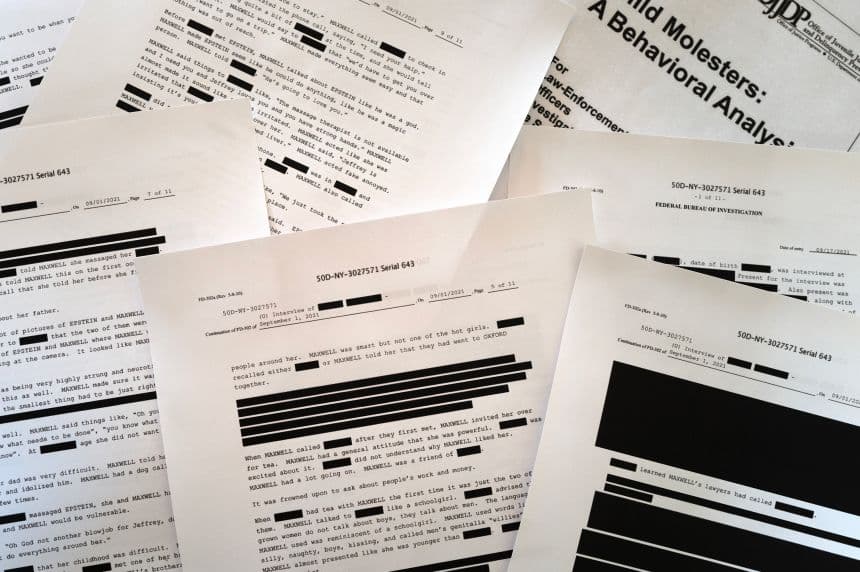
Metadata validation is one of the fastest ways to test whether a digital record is likely original, altered, or context-shifted. Federal investigations treat metadata as a technical evidence layer, not as a stand-alone verdict. Reliable conclusions require matching metadata patterns with collection logs, custody records, and corroborating documents [1][2].
TL;DR
- Metadata can confirm technical history signals but rarely resolves intent alone.
- Timestamps, device IDs, and software traces must be interpreted in system context.
- Exporting, printing, and platform sync can change visible metadata values.
- Strong validation combines metadata, chain of custody, and independent corroboration.
What Metadata Can Confirm
Validated metadata can support claims about file chronology, originating environment, and transformation steps. For example, investigators may compare created, modified, and accessed fields with acquisition logs to check consistency. This helps distinguish ordinary workflow changes from suspicious alteration patterns, but only when tools and extraction methods are documented [1][2][3].
High-Risk Interpretation Mistakes
- Treating one timestamp as definitive without checking timezone normalization.
- Assuming missing fields prove tampering instead of export or format conversion.
- Ignoring software auto-save behavior that updates modified values.
- Confusing file-system metadata with embedded document metadata.
Validation Workflow
- Preserve original media and create a verified forensic copy.
- Extract metadata with documented tooling and version details.
- Normalize time references before comparing multi-source records.
- Reconcile metadata findings against custody logs and event records.
Cross-Source Corroboration Rules
Metadata findings are strongest when they align with independent facts such as server logs, filing timestamps, transmission records, or witness statements. If a metadata claim conflicts with all external records, confidence should be reduced until the discrepancy is explained. This evidence-weighting discipline is critical in high-noise investigations [1][2][3].
Bottom Line
Metadata validation is an integrity check, not a shortcut to certainty. It adds real evidentiary value when extraction is reproducible, context is documented, and conclusions are tested against independent records [1][2][3].
Read why the Biden administration did not release the files earlier
Read: Biden Release AnalysisReview Maxwell's Fifth Amendment congressional testimony
Read: Maxwell in CongressUse the core timeline hub to connect hearings, filings, and releases
Open Hub: Complete TimelineContinue Reading
Explore Archive Hubs
Sources & References
Frequently Asked Questions
Can metadata alone prove a document is authentic?
Usually no. Metadata is strongest when corroborated by custody records and independent technical or documentary evidence.
Why do timestamp conflicts happen in digital records?
Conflicts can result from timezone differences, software exports, sync behavior, or conversion steps, not only tampering. The article links the point to dated records, public filings, or source-attributed reporting.
What should be documented during metadata review?
Tool versions, extraction method, source media identifiers, and normalization rules should be documented for reproducibility. The article links the point to dated records, public filings, or source-attributed reporting.
Disclaimer: All information in this article is sourced from publicly available court records, government FOIA releases, and credible news reporting. This is informational content. Inclusion or mention of any individual does not imply wrongdoing. All persons are presumed innocent unless proven guilty in a court of law.