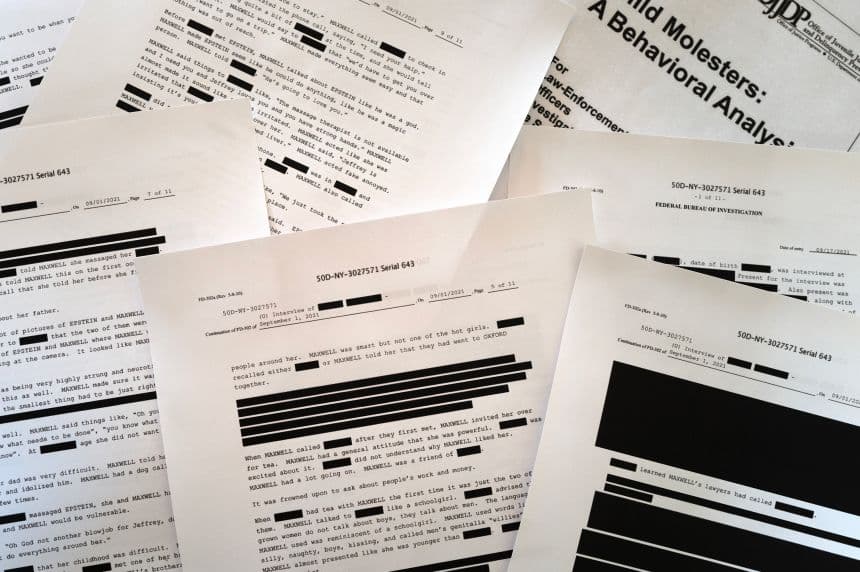
Viral flight-log claims spread quickly because logs appear concrete, but manifests and logs are only part of a larger evidentiary picture. A name on a list can indicate travel, scheduling, or clerical association depending on the record type. Without provenance checks and timeline context, readers can convert incomplete transport records into claims they do not support [1][2][3].
TL;DR
- Distinguish between flight logs, manifests, crew records, and secondary summaries.
- Verify chain-of-custody and publication source before treating any list as definitive.
- A listed name is not, by itself, proof of conduct or legal liability.
- Corroborate with dates, locations, and independent records before publishing conclusions.
What These Records Can and Cannot Establish
- Can establish: potential travel sequence, time windows, and routing context.
- Can support: cross-checking witness timelines and communication records.
- Cannot establish alone: intent, awareness, criminal conduct, or adjudicated wrongdoing.
- Cannot resolve alone: identity ambiguity from nicknames, initials, or clerical shorthand.
Verification Steps for Viral Claims
- Identify record origin and whether it is primary or derivative.
- Check date format consistency and transcription quality.
- Match names against surrounding metadata, not just one field.
- Compare with independent timeline and corroboration records.
- Report uncertainty where record quality is incomplete.
High-quality analysis does not dismiss logs; it scopes them. When claims are confined to what the documents actually prove, coverage becomes more useful and less vulnerable to reversal [1][2].
Frequent Public Misreads
- Treating every list entry as confirmed physical presence.
- Assuming one leaked image represents a complete archive.
- Ignoring later corrections or document supersessions.
- Blending social claims with formal records without attribution.
Bottom Line
Flight records are valuable context, but they are not stand-alone verdicts. Accurate interpretation depends on provenance, corroboration, and disciplined claim boundaries [1][2][3].
Compare manifest claims with structured timeline reconstruction methods
Read: Timeline ReconstructionThis topic is covered in depth in How Epstein Documents Are Authenticated, which consolidates the archive's explainers on it.
Read the guideThis topic is covered in depth in How to Read the Epstein Files Critically, which consolidates the archive's explainers on it.
Read the guideContinue Reading
Explore Archive Hubs
Sources & References
Frequently Asked Questions
Does appearing on a flight log prove criminal involvement?
No. A log entry indicates potential travel context, not legal culpability or adjudicated misconduct.
Why do manifest claims online often conflict with each other?
Conflicts often come from partial records, transcription errors, and derivative reposts that omit provenance details. The article links the point to dated records, public filings, or source-attributed reporting.
What should be checked first when a viral manifest appears?
Check source origin, authenticity context, and whether independent records confirm the same date and identity details. The article links the point to dated records, public filings, or source-attributed reporting.
Disclaimer: All information in this article is sourced from publicly available court records, government FOIA releases, and credible news reporting. This is informational content. Inclusion or mention of any individual does not imply wrongdoing. All persons are presumed innocent unless proven guilty in a court of law.