When the Miami Herald published Julie K. Brown's 'Perversion of Justice' series in November 2018, it was widely credited with reigniting the Epstein case and leading to his arrest seven months later. But the Herald's investigation did not emerge in a vacuum. For years before Brown's reporting, online communities — on Reddit, Twitter, 4chan, and specialized forums — had been compiling evidence, analyzing court documents, and maintaining public pressure on a story that mainstream media had largely abandoned after Epstein's 2008 plea deal. The role of citizen journalists and social media in the Epstein case represents one of the most significant examples of online activism translating into real-world accountability.
Reddit and the Document Hunters
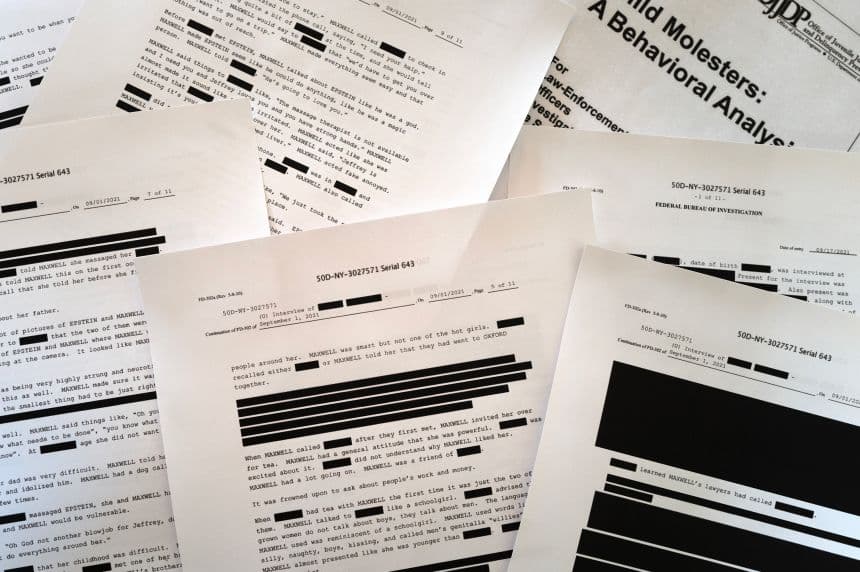
Reddit communities dedicated to the Epstein case maintained detailed timelines, compiled lists of named associates, cross-referenced flight logs with public calendars, and flagged redacted documents that warranted further scrutiny. These communities operated as volunteer research teams, with users bringing expertise in law, finance, aviation, and public records to the task of piecing together a complex criminal network. When court documents were unsealed, Reddit users were often the first to identify significant details that professional journalists later reported on.
The open-source intelligence approach of these communities had both strengths and weaknesses. On one hand, the collective effort identified connections and patterns that no single journalist could have found alone. On the other hand, the lack of editorial oversight sometimes led to unfounded speculation, misidentification of individuals, and the spread of conspiracy theories that undermined legitimate investigative work. The challenge of separating signal from noise in citizen journalism remains a defining tension of the digital information age.
Twitter Campaigns and Public Pressure
Hashtag campaigns on Twitter and later on X became a powerful tool for maintaining public attention on the case. Tags like #EpsteinFiles, #EpsteinDidntKillHimself, and #ReleaseTheFiles trended regularly, ensuring that the case could not fade from public consciousness even when media coverage waned. The viral spread of the meme 'Epstein didn't kill himself' — which appeared in contexts ranging from Fox News segments to college football signs — demonstrated how social media could keep a serious issue in the public discourse through unconventional means.
The internet did what institutions refused to do — it refused to forget. Every time someone posted about Epstein, shared a document, or demanded answers, it made it harder for the powerful to pretend this case was over.
From Online Activism to Congressional Action
The sustained public pressure generated by social media directly influenced legislative action. Congressional staffers have acknowledged that constituent demand driven by online activism was a significant factor in the bipartisan support for the Epstein Files Transparency Act, which passed 427-1 in 2025. The online community's years of document analysis also created a ready-made audience for the 2026 releases — within hours of the DOJ publishing millions of pages, volunteers were downloading, organizing, and analyzing the material, effectively crowdsourcing the work of processing a documentary record that would take a single researcher years to review.
As the Epstein case continues to unfold in 2026, the relationship between citizen journalism and institutional accountability remains vital. Archives like this one exist because of the public demand for transparency that social media communities created and sustained. The lesson of the Epstein case is that when institutions fail, an informed and persistent public can force change — but only if it maintains its commitment to facts, evidence, and accountability over speculation and sensationalism.
Browse the full archive of released Epstein documents
View All DocumentsSearch the complete archive of Epstein files
Open Epstein's InboxContinue Reading
Explore Archive Hubs
Sources & References
Frequently Asked Questions
How did social media help expose Epstein?
Online communities on Reddit, Twitter, and specialized forums compiled evidence, analyzed court documents, cross-referenced flight logs, and maintained public pressure on the case years before mainstream media reignited coverage in 2018.
What role did citizen journalism play in the Epstein case?
Volunteer researchers on platforms like Reddit identified connections and patterns that professional journalists later reported on. When the 2026 DOJ documents were released, volunteers crowdsourced the analysis of millions of pages within hours.
Did social media pressure lead to the Epstein Files Transparency Act?
Congressional staffers acknowledged that sustained constituent demand driven by online activism was a significant factor in the bipartisan support for the Transparency Act, which passed 427-1 in 2025.
Disclaimer: All information in this article is sourced from publicly available court records, government FOIA releases, and credible news reporting. This is informational content. Inclusion or mention of any individual does not imply wrongdoing. All persons are presumed innocent unless proven guilty in a court of law.