Editorial note: This article is sourced analysis based on publicly available court records, government releases, and credible news reporting. Primary documents and reporting referenced are listed in the Sources & References section below and linked in our archive.
A Hearing That Satisfied No One
Attorney General Pam Bondi's February 11, 2026 appearance before the House Judiciary Committee was supposed to provide clarity on the DOJ's handling of the Epstein files release. Instead, it became a flashpoint that left both parties dissatisfied and survivors frustrated. Democrats accused Bondi of executing a 'grotesque cover-up' by selectively redacting names of individuals connected to the current administration. Republicans defended the release as the most transparent in history while accusing Democrats of political grandstanding.
Bondi's opening statement emphasized that the DOJ had released 6 million pages of documents — more than any previous administration — and that the Transparency Act was being implemented on schedule. She defended the redaction process as necessary to protect ongoing investigations, victim privacy, and national security interests. She noted that over 300 high-profile names had been made public and that the DOJ was committed to continued transparency.
The Redaction Controversy
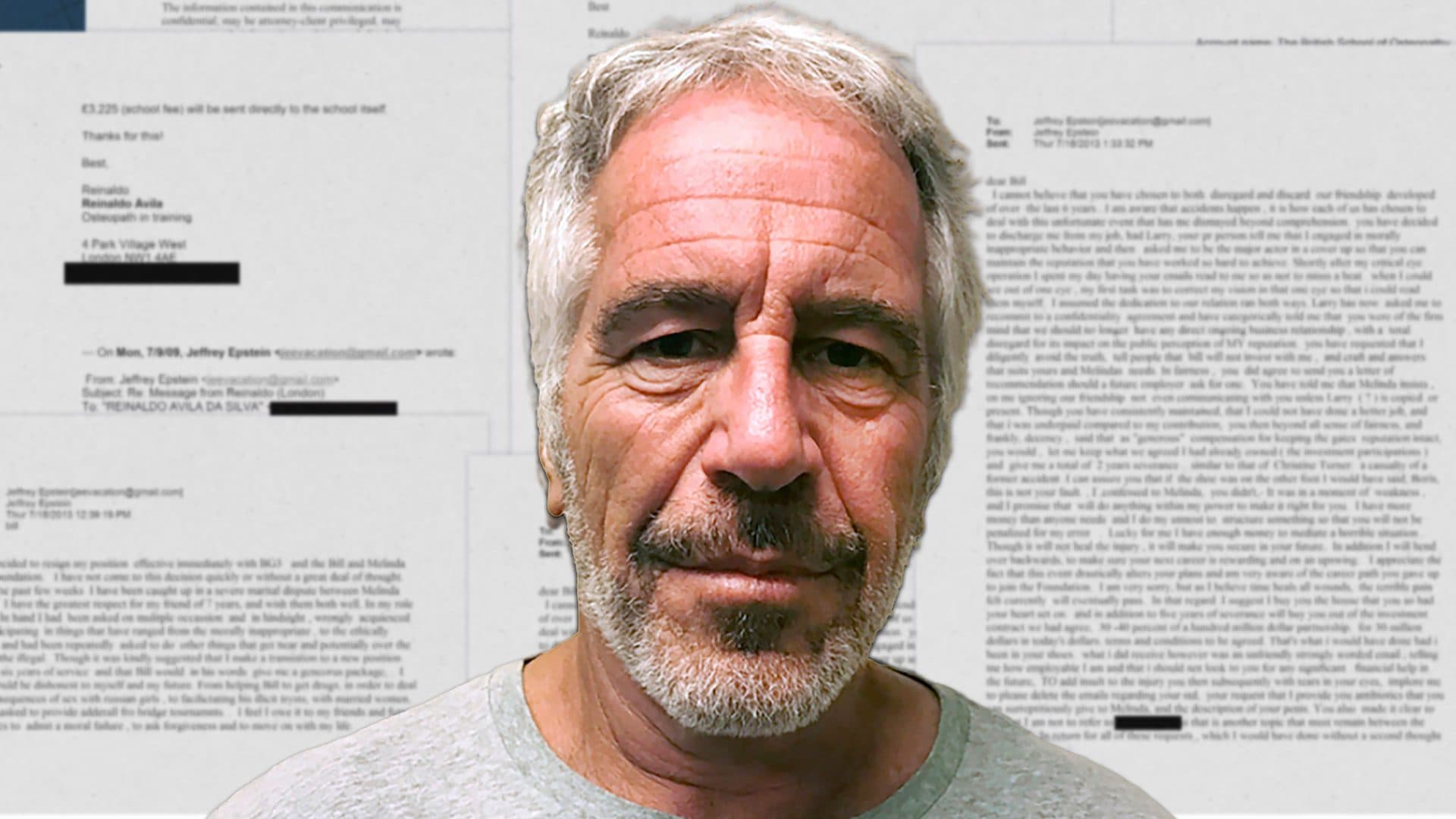
The central dispute at the hearing concerned the redaction standards being applied to the released documents. Representative Ro Khanna revealed that he had identified six men whose names had been redacted from documents despite no apparent legal basis for the redactions. Khanna read the names into the congressional record, using his speech-and-debate clause immunity. The six included individuals with connections to both political parties, undercutting the argument that redactions were politically motivated in one direction.
Survivors and their advocates testified that the redaction of co-conspirator names while victim names were accidentally exposed represented a fundamental failure of priorities. The DOJ's earlier redaction errors, which exposed the identities of 43 victims including minors, stood in stark contrast to the careful protection of powerful figures whose involvement in Epstein's activities was documented in FBI files.
What Survivors Are Demanding
- Full unredaction of all co-conspirator names identified by the FBI, with no exceptions for political or financial prominence.
- An independent review board with subpoena power to evaluate all redaction decisions, separate from the DOJ.
- Formal apology and notification to victims whose identities were exposed through the DOJ's redaction errors.
- Passage of Virginia's Law to eliminate statutes of limitations for sex trafficking offenses nationwide.
- Reopening of criminal investigations against individuals identified as co-conspirators who were never charged.
The Political Dynamics at Play
The hearing exposed the deeply partisan nature of the Epstein files debate. Democratic members of the committee focused on names redacted from the files that they alleged were protected due to connections to the current administration. Republican members countered that the Trump administration had released more Epstein-related documents than any previous administration and that Democratic criticism was politically motivated rather than substantive.
Bondi pushed back forcefully against accusations of a cover-up, pointing to the 6 million pages released and noting that the Transparency Act's timeline had been met. She also cited the DOJ's obligation to protect victim identities and ongoing investigations as justification for certain redactions. However, she could not explain why some co-conspirator names identified in FBI files remained redacted while victim names had been inadvertently exposed in earlier releases.
Survivor Testimony at the Hearing
Several Epstein survivors or their representatives provided testimony at the hearing, describing the emotional and psychological toll of the files release process. One survivor advocate described the experience of learning that her client's name had been published unredacted in government documents while the names of men identified as co-conspirators remained hidden. The contrast between the treatment of victims and alleged perpetrators became a central theme of the hearing and generated significant media coverage in the days that followed.
The survivor testimony also highlighted the inadequacy of existing support systems for trafficking victims navigating the public disclosure of their experiences. Advocates called for dedicated federal funding for victim counseling and legal representation in connection with the ongoing document releases, arguing that the government had created a crisis by releasing identifiable victim information without providing resources to help those affected.
What Comes Next
The hearing ended without resolution, but it advanced several parallel processes. The House Judiciary Committee announced additional oversight hearings scheduled throughout 2026. The independent review board authorized by the Transparency Act is expected to begin work in March 2026. And several FOIA lawsuits by media organizations seeking materials not included in the Transparency Act release remain pending in federal court.
The Bondi hearing may ultimately be remembered less for the specific answers the Attorney General provided and more for the questions she could not or would not answer. The fundamental tension between government transparency and institutional self-protection remains deeply unresolved, and the Epstein files continue to test whether the American legal system is capable of delivering meaningful accountability when the individuals involved wield enormous political and financial power within the very institutions tasked with pursuing justice.
Browse DOJ disclosures and congressional records in the document archive
View DOJ DisclosuresSearch the complete Epstein document archive for oversight and accountability records
Open Epstein's InboxContinue Reading
Explore Archive Hubs
Sources & References
Frequently Asked Questions
What happened at the Pam Bondi Epstein files hearing?
Attorney General Pam Bondi appeared before the House Judiciary Committee on February 11, 2026. Democrats accused her of a cover-up by selectively redacting names, while she defended the release of 6 million pages as the most transparent in history.
Why were names redacted from the Epstein files?
The DOJ cited ongoing investigations, victim privacy, and national security as justifications for redactions, but Rep. Ro Khanna identified six men whose names were redacted without apparent legal basis and read them into the congressional record.
What are Epstein survivors demanding from the DOJ?
Survivors are demanding full unredaction of co-conspirator names, an independent review board with subpoena power, formal apology for exposing victim identities, passage of Virginia's Law, and reopening of criminal investigations against uncharged co-conspirators.
Disclaimer: All information in this article is sourced from publicly available court records, government FOIA releases, and credible news reporting. This is informational content. Inclusion or mention of any individual does not imply wrongdoing. All persons are presumed innocent unless proven guilty in a court of law.