Editorial note: This article is sourced analysis based on publicly available court records, government releases, and credible news reporting. Primary documents and reporting referenced are listed in the Sources & References section below and linked in our archive.
The investigation that would eventually bring down Jeffrey Epstein began not with a federal task force or a high-profile whistleblower, but with a single phone call to the Palm Beach Police Department in March 2005. A woman reported that her 14-year-old stepdaughter had been taken to the home of a wealthy man in Palm Beach and paid $300 for a sexual encounter. That man was Jeffrey Epstein, and the detective assigned to the case — Joseph Recarey — would spend the next year building a case that should have ended Epstein's predatory career a decade before it actually did.
The Initial Complaint and Investigation
Detective Recarey, a veteran of the Palm Beach Police Department's investigations unit, quickly determined that the complaint was credible and began conducting interviews. What he discovered was staggering in its scope: Epstein had built a systematic operation to recruit underage girls from local high schools, shopping malls, and Mar-a-Lago's spa. The girls were offered $200-$300 to provide 'massages' at Epstein's mansion on El Brillo Way, where the encounters escalated into sexual abuse.
Over the course of his investigation, Recarey identified and interviewed more than 30 young women and girls who described similar patterns of abuse. Victims described being recruited by other girls — a pyramid-like referral scheme in which existing victims were paid to bring new girls to Epstein. The detective's meticulous work produced a thick investigative file documenting the scope of Epstein's operation, including witness statements, phone records, and evidence from trash pulls conducted outside the El Brillo Way property.
The Search Warrant and Physical Evidence
In October 2005, Palm Beach police obtained a search warrant for Epstein's mansion. Inside, investigators found a massage table in a room that victims had described, along with photographs of young women, phone directories, and other corroborating evidence. The search confirmed much of what the victims had reported and provided physical evidence to support criminal charges.
- Over 30 victims identified during the Palm Beach police investigation
- Victims recruited through a pyramid-style referral scheme from local schools
- Search warrant executed on Epstein's El Brillo Way mansion in October 2005
- Physical evidence including massage table, photographs, and phone records recovered
- Detective Recarey compiled a comprehensive probable cause affidavit for multiple felony charges
- Palm Beach Police recommended four counts of unlawful sexual activity with a minor
The Case Goes to the State Attorney
Armed with extensive evidence, Detective Recarey presented his findings to the Palm Beach County State Attorney's Office, recommending that Epstein be charged with four counts of unlawful sexual activity with a minor — a second-degree felony in Florida. However, State Attorney Barry Krischer's office took a dramatically different approach. Rather than pursuing the felony charges recommended by police, the State Attorney presented the case to a grand jury in a manner that resulted in a single charge of solicitation of prostitution — effectively recasting the child victims as prostitutes rather than victims of sexual abuse.
The grand jury returned a single count of solicitation of prostitution, a charge that stunned investigators and victim advocates. Palm Beach Police Chief Michael Reiter was so troubled by the State Attorney's handling of the case that he took the extraordinary step of writing to the victims' families to inform them that his department had recommended far more serious charges. Reiter also referred the case to the FBI, a decision that opened the federal investigation but would ultimately lead to its own set of controversies.
This was not a 'he said, she said' situation. We had multiple victims, exposed the pattern, and had the physical evidence. The State Attorney's office made the decision not to pursue it as we recommended. — Palm Beach Police Chief Michael Reiter
The Federal Investigation and Its Failures
The FBI's investigation expanded on Recarey's work, ultimately identifying approximately 36 victims. Federal prosecutors in the Southern District of Florida prepared a 53-page federal indictment that was never filed. Instead, in 2007, U.S. Attorney Alexander Acosta entered into a non-prosecution agreement (NPA) with Epstein that allowed him to plead guilty to two state prostitution charges, serve 13 months in a county jail with work-release privileges, and register as a sex offender. The NPA — negotiated in secret and without notifying the victims as required by law — effectively shielded Epstein and any unnamed co-conspirators from federal prosecution.
Detective Recarey, who had invested more than a year of his career in building the case, was reported to be devastated by the outcome. He testified in subsequent legal proceedings that the investigation was thorough and that the evidence supported serious felony charges. Recarey passed away in May 2018 at the age of 50, just months before the Miami Herald's 'Perversion of Justice' series would reignite public interest in the case he had built.
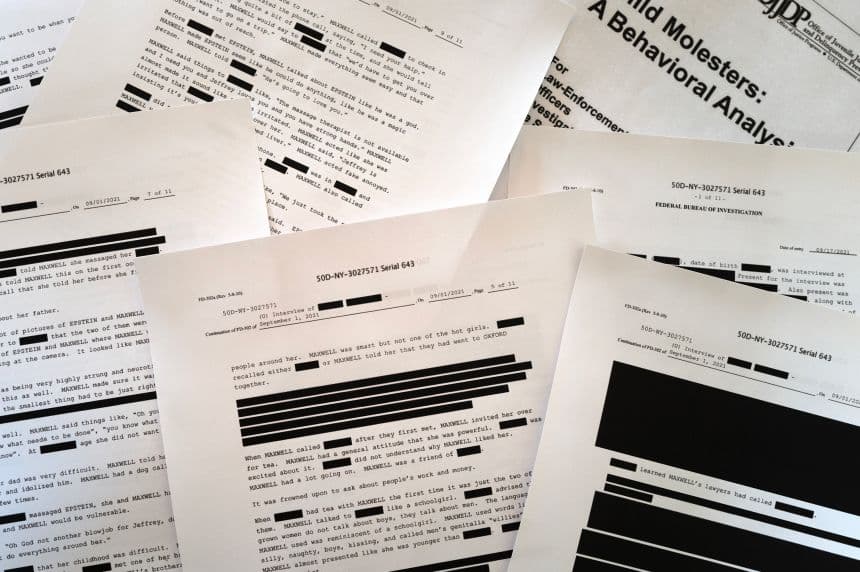
Browse the FBI investigative records and court filings from the Epstein case
View FBI RecordsLegacy of the Palm Beach Investigation
The Palm Beach investigation remains the foundational chapter of the Epstein story. Without Detective Recarey's persistence and Chief Reiter's willingness to escalate the case, the scope of Epstein's operation might never have been documented. The investigative file Recarey compiled became the evidentiary basis for virtually every subsequent legal action, from the 2019 federal indictment in the Southern District of New York to the civil lawsuits that resulted in hundreds of millions of dollars in settlements for victims.
The case also exposed systemic failures in the criminal justice system's response to sex trafficking by wealthy and powerful individuals. The decisions made by the Palm Beach State Attorney's Office and the U.S. Attorney's Office in Florida became the subject of congressional investigations, DOJ Inspector General reviews, and widespread public outcry that ultimately contributed to Acosta's resignation as Secretary of Labor in 2019.
Explore the complete Epstein document archive including original court filings and investigative records
Open Epstein's InboxContinue Reading
Explore Archive Hubs
Sources & References
Frequently Asked Questions
Who was the detective who investigated Epstein?
Detective Joseph Recarey of the Palm Beach Police Department led the original 2005 investigation into Jeffrey Epstein, identifying over 30 victims and compiling a comprehensive case file that laid the groundwork for all subsequent legal actions.
How was Jeffrey Epstein first caught?
In March 2005, a parent contacted the Palm Beach Police Department reporting that her 14-year-old stepdaughter had been taken to Epstein's mansion and paid $300 for a sexual encounter, triggering Detective Recarey's investigation.
Why did Epstein get a plea deal in 2008?
U. S. Attorney Alexander Acosta entered into a non-prosecution agreement with Epstein in 2008, allowing him to plead guilty to state prostitution charges and serve 13 months instead of facing a 53-page federal indictment, a decision that shielded unnamed co-conspirators from prosecution.
Disclaimer: All information in this article is sourced from publicly available court records, government FOIA releases, and credible news reporting. This is informational content. Inclusion or mention of any individual does not imply wrongdoing. All persons are presumed innocent unless proven guilty in a court of law.