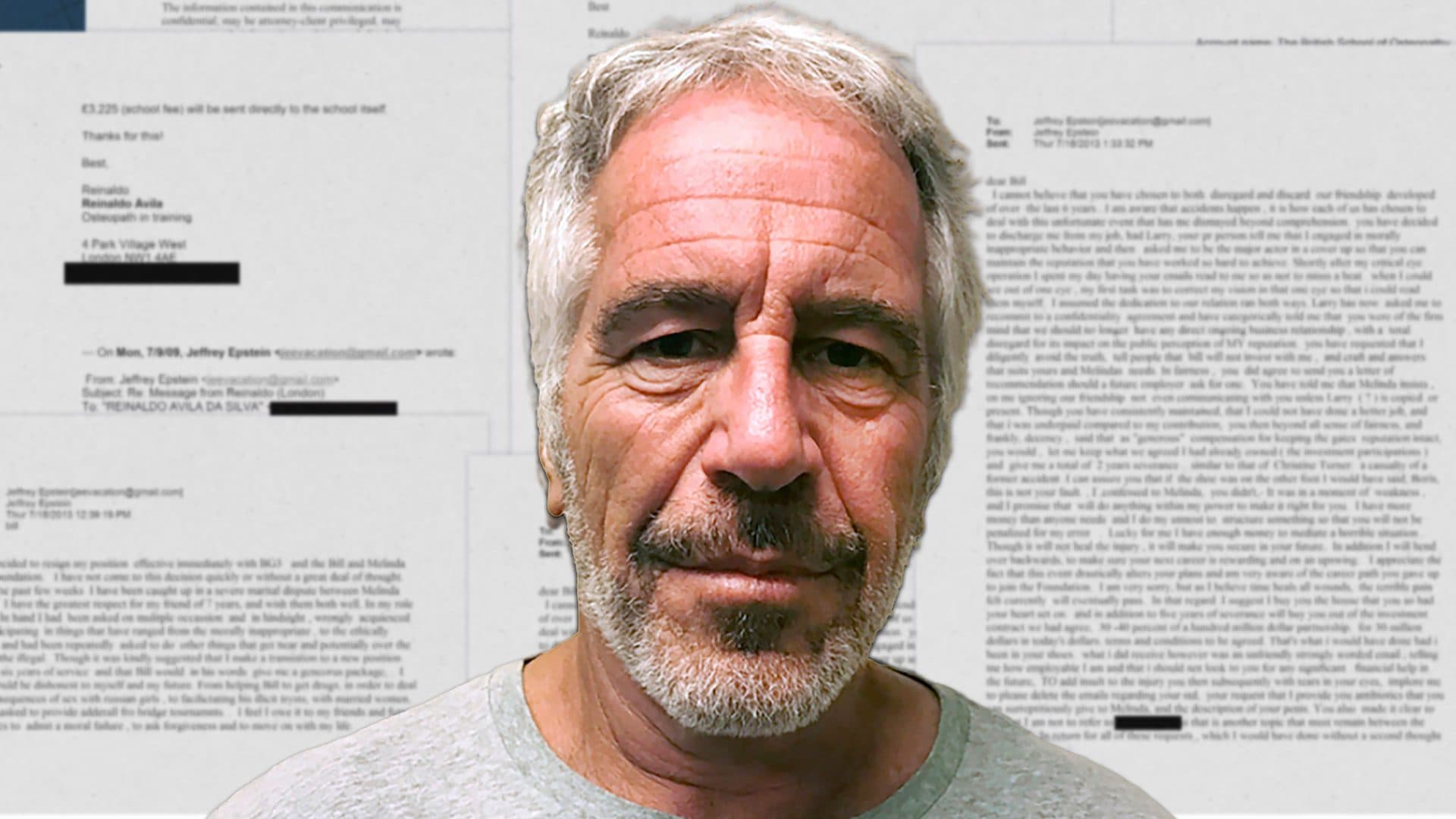
Attention to the purported Epstein suicide note rose in early May 2026 after a federal judge in the Southern District of New York ordered release of a purported note in United States v. Tartaglione.
In short: On May 6, 2026, Judge Kenneth M. Karas ordered a purported Jeffrey Epstein note unsealed in the Tartaglione criminal docket after a media access request. Reporting then focused on provenance, DOJ's statement that it had not previously seen the note, and later handwriting analysis. Inclusion in filings does not by itself prove criminal wrongdoing by any person, and all individuals are presumed innocent unless proven guilty in court.
What happened on the record
- The New York Times petitioned for access to multiple sealed items in the Tartaglione case.
- The court order dated May 6, 2026 addressed access arguments and directed release of the purported note.
- The filing context was a separate criminal case docket, not a new prosecution of Epstein-related conduct.
- Subsequent coverage highlighted that the note had not appeared in prior DOJ bulk releases.
Archival rule: document release is a procedural event, not a final finding on authenticity or liability.
Why this drew renewed attention
The phrase 'epstein suicide note unsealed' combines court-access procedure, prison-record chronology, and authenticity questions in one query. Readers are trying to separate what a judge ordered public from what investigators or courts have formally validated.
What the order and reporting establish
- A dated SDNY order exists and references the note request as a judicial-document access issue.
- Public reporting records DOJ saying it was seeing the purported note for the first time.
- The note was discussed in the context of Epstein's July 2019 detention period and later death investigation timeline.
- Follow-up forensic commentary in news coverage addressed handwriting similarities, not criminal adjudication.
This distinction matters for researchers: a filed exhibit can become public before every factual dispute about origin, chain of custody, or evidentiary weight is resolved in a courtroom merits proceeding.
Review primary court and oversight materials in the archive before relying on social-media summaries.
Browse Court FilingsHow to read this development carefully
- Date each source precisely: order date, publication date, and any later corrections.
- Separate release status from authentication status.
- Treat commentary and inference as secondary to docket text and attributed statements.
- Cross-check prison-record claims against official BOP/DOJ materials where available.
For archive users, this is primarily a records-access milestone. It expands the public docket but does not replace earlier investigative conclusions or create new criminal findings on its own.
Map this May 2026 release against earlier detention and death-investigation events.
View Case TimelineEditorial disclaimer: this article summarizes public records and credible reporting. Mention in documents, media coverage, or legal filings does not imply wrongdoing, and all persons are presumed innocent unless proven guilty in court.
Continue Reading
Explore Archive Hubs
Sources & References
- U.S. District Court (SDNY): United States v. Tartaglione, Case No. 16-CR-832, Order dated May 6, 2026
- Associated Press: Epstein cellmate says he found a suicide note; DOJ says it is seeing it for first time (May 7, 2026)
- Associated Press: Handwriting experts say newly released note matches one found after Epstein's death (May 8, 2026)
- Reuters: New York judge releases purported Epstein suicide note (May 6, 2026)
- PBS NewsHour (AP): Judge releases note that cellmate says he found after Epstein's suspected suicide attempt (May 6, 2026)
- Axios: Read Epstein's purported suicide note released by judge (May 6, 2026)
- The Guardian: Alleged suicide note written by Jeffrey Epstein unsealed by federal judge (May 6, 2026)
Frequently Asked Questions
Did the May 6, 2026 order prove the note is authentic?
No. The order made the document public in the Tartaglione docket context. Public release and evidentiary authentication are separate legal questions.
Why did this become major news in May 2026?
The note had not been broadly public before the unsealing order, so readers sought out the original filing and timeline context. Coverage also amplified interest by comparing agency statements and forensic commentary.
Did DOJ say it had already reviewed this note before release?
AP reported DOJ said this was the first time it was seeing the purported note. That statement is part of why the document's publication drew attention beyond routine docket activity.
Does appearing in these filings imply criminal guilt for anyone else?
No. Presence in records, media reports, or procedural filings is not a conviction. Criminal liability requires admissible evidence and adjudication through due process.
Disclaimer: All information in this article is sourced from publicly available court records, government FOIA releases, and credible news reporting. This is informational content. Inclusion or mention of any individual does not imply wrongdoing. All persons are presumed innocent unless proven guilty in a court of law.