Editorial note: This article is sourced analysis based on publicly available court records, government releases, and credible news reporting. Primary documents and reporting referenced are listed in the Sources & References section below and linked in our archive.
Few aspects of the Jeffrey Epstein case have generated more public interest than the question of who visited his private island, Little St. James, in the U.S. Virgin Islands. The 70-acre island, which Epstein purchased in 1998, became a focal point of investigations after victims described it as a primary location of abuse. Since Epstein's death, 'the Epstein island visitor list' has become one of the most searched terms related to the case. Here is what the documentary record actually shows.
What the Flight Logs Reveal
The most concrete evidence of travel to Little St. James comes from the flight logs of Epstein's private aircraft — primarily the Boeing 727 (tail number N908JE) and smaller aircraft including a Gulfstream II. These logs were maintained by Epstein's pilots, principally David Rodgers and Larry Visoski, and were entered as evidence in multiple legal proceedings. The flight manifests record passenger names, departure points, and destinations for flights spanning from the mid-1990s through approximately 2013.
It is important to understand what the flight logs do and do not establish. A person's name appearing on a flight manifest confirms that they traveled on the aircraft to a specific destination on a specific date. It does not, by itself, establish knowledge of or participation in any criminal activity. Many flights on Epstein's aircraft traveled between New York, Palm Beach, and other destinations and did not involve the island. Additionally, visitors to Little St. James could arrive by means other than Epstein's planes — including commercial flights to St. Thomas followed by boat or helicopter transfer — meaning the flight logs are not a complete record of all visitors.
Names in the Public Record
The flight logs, unsealed court documents, and sworn depositions have placed a number of individuals on flights to the Virgin Islands or at the island itself. Names that appear in the public court record include: Ghislaine Maxwell, who witnesses described as managing the island's operations; Sarah Kellen and Nadia Marcinkova, both named as associates in federal proceedings; and various other individuals identified in deposition testimony. Prince Andrew, Duke of York, was described by Virginia Giuffre and other witnesses as having visited the island, a claim he settled through a civil agreement in 2022 without admission of liability.
Other individuals named in the flight logs or court documents in connection with the island or Epstein's aircraft include Alan Dershowitz (who has vigorously denied any wrongdoing and countersued his accusers), former President Bill Clinton (whose representatives have stated he took four trips on Epstein's plane for charitable work and never visited the island), and numerous other public figures. It must be emphasized that appearing in flight logs or being named in court documents does not constitute evidence of criminal activity.
The flight logs are a factual record of air travel. They document who was on the aircraft and where it went. They do not, standing alone, establish what any individual knew, did, or witnessed at any destination. — Legal analysis from victims' attorneys in Giuffre v. Maxwell filings
The 'Client List' Misconception
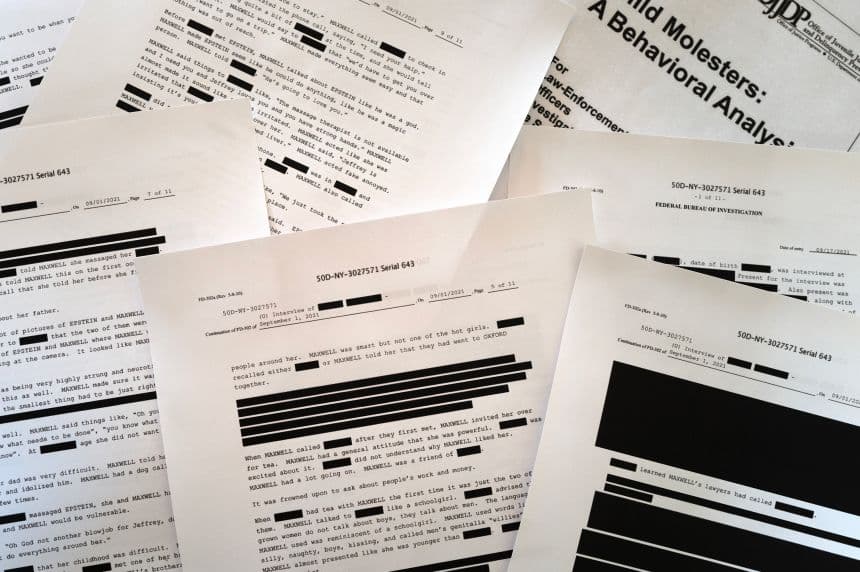
Public discourse frequently references an 'Epstein client list' as though it were a single document listing individuals who engaged in criminal conduct. No such document exists in the public record. The unsealed court documents from the Giuffre v. Maxwell case contain names of individuals mentioned across depositions, flight logs, correspondence, and other exhibits — but these names appear in varying contexts including as witnesses, legal representatives, social acquaintances, business contacts, and in some cases as individuals accused of misconduct by victims.
The January 2024 unsealing ordered by Judge Loretta A. Preska released approximately 943 pages of documents that included redacted and unredacted names from the Giuffre v. Maxwell proceedings. While this release was widely covered as the revelation of 'Epstein's list,' the documents actually contained a complex mix of deposition excerpts, legal filings, and exhibits in which individuals were mentioned in a wide range of contexts.
Browse the original flight logs and court documents from the Epstein case
View Flight Log DocumentsLittle St. James: The Island Itself
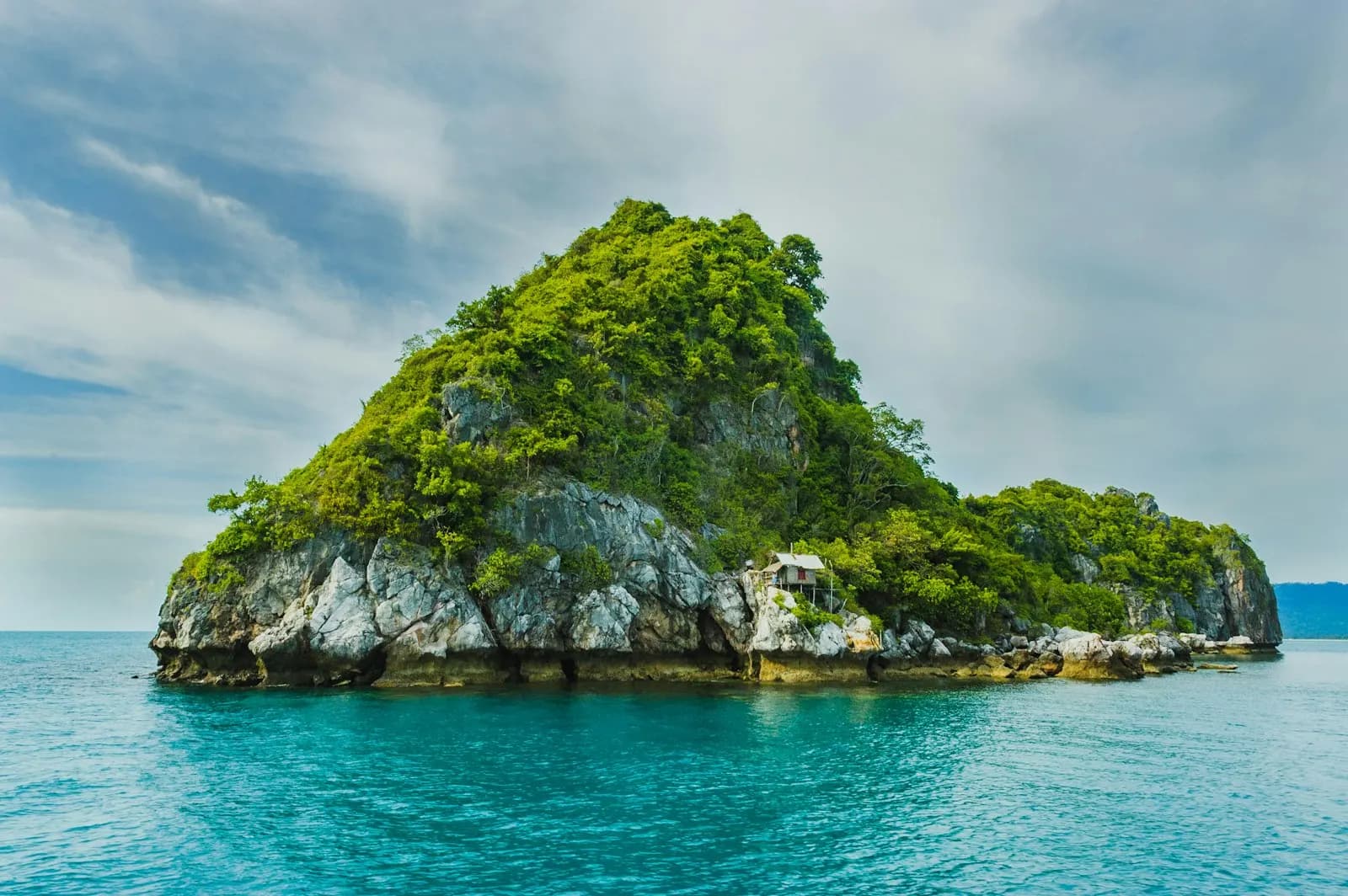
Little St. James, located southeast of St. Thomas in the U.S. Virgin Islands, was developed by Epstein into a compound with multiple structures including a main residence, guest houses, a helipad, a dock, and several distinctive buildings including a blue-and-white striped structure that attracted public curiosity. Epstein also purchased neighboring Great St. James island in 2016. Both islands were the subject of the USVI Attorney General's enforcement action, which alleged they were used as part of Epstein's trafficking operation.
Testimony from Epstein's employees, including former house manager Juan Alessi and pilot David Rodgers, described the island's operations in detail during depositions. Alessi testified about the routine at the island, including the presence of young women and the behavior of guests. These depositions, many of which were originally filed under seal in the Giuffre v. Maxwell case, provide the most detailed firsthand accounts of activities at the property.
What Remains Sealed and Unknown
Despite significant document releases, portions of the record remain sealed or redacted. Some names in the Giuffre v. Maxwell documents were redacted to protect the identities of victims or individuals not directly relevant to the proceedings. The January 2026 DOJ release of 3.5 million pages included additional materials, but many records related to the island specifically — including USVI government investigative files and certain BOP records — have not been fully disclosed.
Investigators have also noted that Epstein's security systems on the island, which reportedly included extensive surveillance cameras, could have produced footage documenting activities and visitors. The status and contents of any such recordings remain among the most significant unanswered questions in the case. FBI agents who searched the island after Epstein's 2019 arrest have not publicly disclosed what surveillance materials were recovered.
Search all Epstein documents including depositions, flight logs, and property records
Open Epstein's InboxContinue Reading
Explore Archive Hubs
Sources & References
Frequently Asked Questions
Who visited Epstein's island?
Flight logs from Epstein's private aircraft document passengers including Ghislaine Maxwell, Prince Andrew, and various public figures, though appearing in flight logs does not by itself establish knowledge of or participation in criminal activity.
Is there an Epstein island visitor list?
No single 'visitor list' exists. Evidence of island visitors comes from flight logs, sworn depositions, and employee testimony, and visitors could arrive by means other than Epstein's planes, making flight logs an incomplete record.
What happened to Epstein's private island?
Little St. James, Epstein's 70-acre private island in the U. S. Virgin Islands, was sold in 2023 for a reported $60 million as part of the estate settlement with the USVI government, and the buildings were demolished by the new owner.
Disclaimer: All information in this article is sourced from publicly available court records, government FOIA releases, and credible news reporting. This is informational content. Inclusion or mention of any individual does not imply wrongdoing. All persons are presumed innocent unless proven guilty in a court of law.