The Island at the Center of the Case
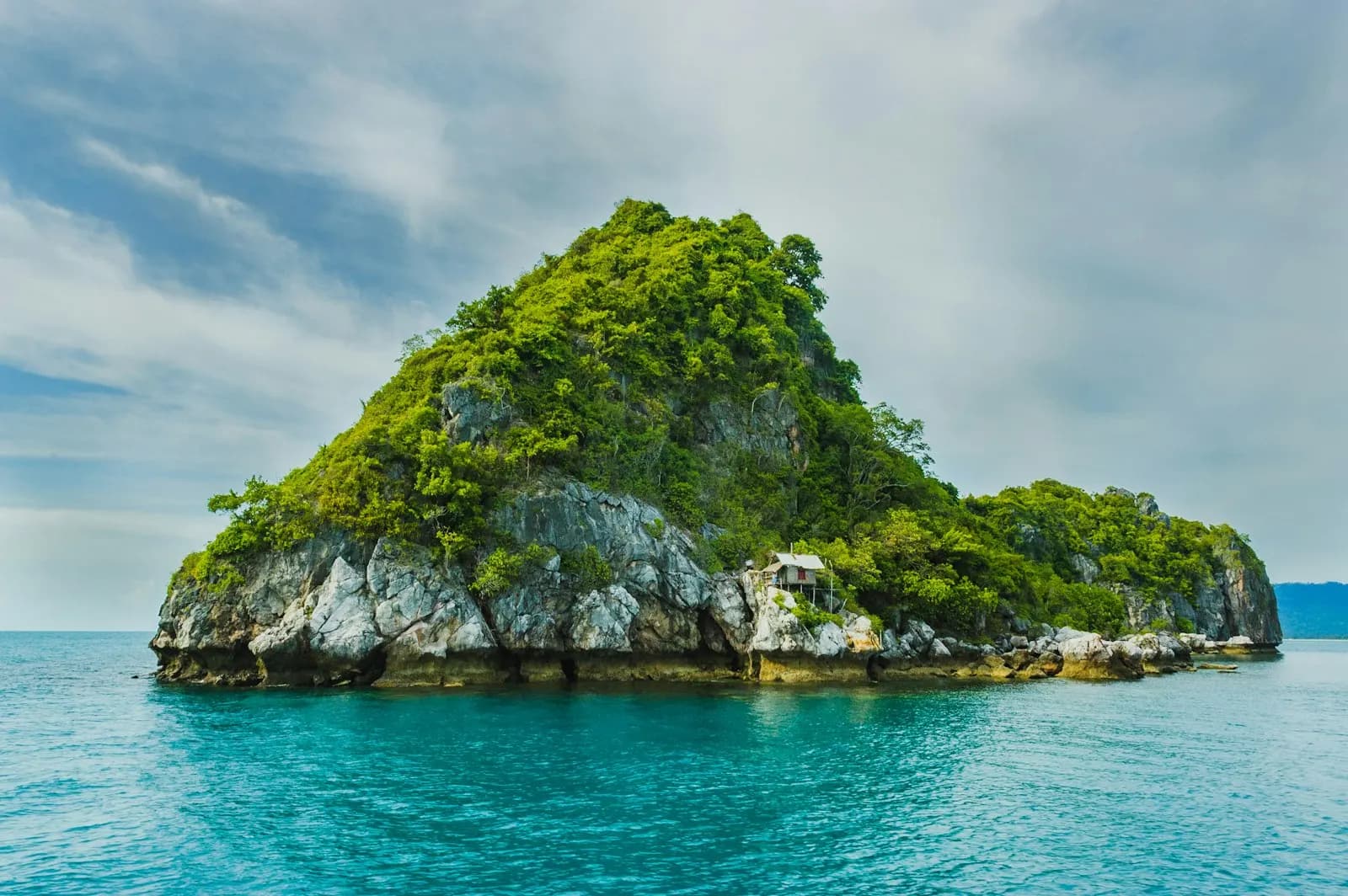
Little St. James, a 70-acre private island in the U.S. Virgin Islands, was purchased by Jeffrey Epstein in 1998 for $7.95 million. Over the next two decades, he transformed it into a compound with a main residence, guest houses, a library, a movie theater, a helipad, a private dock, and — most notoriously — a blue-and-white-striped structure that came to be known as 'the temple.' The island features prominently in victim testimony, flight log destinations, and staff depositions throughout the Epstein case.
What the Released Images Show
The 180,000 images released by the DOJ include FBI evidence photographs taken during searches of the island, satellite and aerial imagery, construction documentation, and photographs from other investigative sources. The evidence photographs show the interior and exterior of structures on the island in detail, including rooms described in victim testimony. The images document the surveillance infrastructure, security systems, and the layout of buildings where victims say abuse occurred.
Construction documents and building permits from the USVI government show the timeline of development on the island. Major construction occurred between 2000 and 2019, with Epstein continuously expanding and modifying structures. The so-called temple — a structure with gold-domed roof and blue-and-white horizontal stripes — appears in building permit records as a 'music pavilion,' though its actual purpose has been the subject of extensive speculation and testimony.
Staff Testimony About Island Operations
Depositions from island staff, groundskeepers, and contractors provide detailed accounts of how the island operated. Staff described strict rules about when they could be in certain areas, security protocols that controlled access, and the arrival of young women via helicopter and boat from St. Thomas. Some staff members described seeing concerning behavior but said they were afraid to report it due to non-disclosure agreements and the power dynamics of working for a wealthy employer on an isolated island.
The Island's Fate
After Epstein's death in August 2019, Little St. James became the subject of competing claims. The U.S. Virgin Islands government sued the Epstein estate, alleging decades of trafficking on the island. The USVI attorney general demanded access to island records, visitor logs, and property documentation. In 2023, the island was sold as part of the estate settlement for approximately $60 million. The buyer, a private investment fund, has announced plans to demolish Epstein's structures and redevelop the property.
The island's companion property, Great St. James (a 165-acre neighboring island Epstein purchased in 2016 for $22.5 million), was also sold. Together, the two islands represent the most physically prominent symbols of Epstein's criminal enterprise and the most tangible evidence of the scale of resources he devoted to his activities.
The USVI Government Investigation
The U.S. Virgin Islands government pursued one of the most aggressive legal actions related to Epstein's island operations. The USVI Attorney General filed a civil enforcement action against the Epstein estate in 2020, alleging that Epstein used the islands as the primary base for a decades-long sex trafficking operation. The complaint detailed how Epstein brought underage girls to the island from the United States and abroad, using the geographic isolation and his control over transportation to prevent victims from leaving or seeking help.
The USVI investigation revealed that local government officials had granted Epstein significant development permits and tax benefits despite credible allegations of criminal conduct. The territory's own regulatory failures became a subject of inquiry, with questions about whether Epstein's considerable economic impact on the small territory — he was one of the largest private employers and taxpayers — had led officials to overlook warning signs.
The Surveillance Infrastructure
The released photographs and building plans confirm that Little St. James was equipped with extensive surveillance systems. Cameras were positioned throughout the compound, and security personnel monitored access points around the clock. Staff testimony describes a property where every arrival and departure was tracked, where guests' movements were observed, and where strict protocols governed which areas staff members could enter at specific times.
The surveillance infrastructure on the island is significant because it mirrors the systems found at Epstein's other properties — the Manhattan townhouse with its bedroom cameras and the Palm Beach estate with its hidden recording devices. Whether the island surveillance was intended for security, for the collection of compromising material, or both remains an open question. The FBI has not publicly accounted for all recordings recovered from the island's surveillance systems during its searches of the property.
The Destruction of Evidence Concerns
Investigators and journalists have raised concerns about potential destruction of evidence on Little St. James between Epstein's death in August 2019 and the FBI's searches of the property. Drone footage taken by independent observers in the weeks following Epstein's death showed construction activity and apparent demolition on portions of the island. Whether this activity resulted in the loss of evidence has not been definitively established, but it has contributed to the perception that the investigation of the island was incomplete.
Browse property records and island-related documents in the archive
View Property RecordsSearch the full archive for documents about Epstein's properties and real estate holdings
Open Epstein's InboxContinue Reading
Explore Archive Hubs
Sources & References
- U.S. Virgin Islands Department of Planning and Natural Resources — Building Permits, Little St. James Island
- Associated Press — Epstein's Private Islands Sold for $60 Million as Part of Estate Settlement, 2023
- U.S. Department of Justice — Epstein Files Document Release Including Island Evidence Photos, January 2026
Frequently Asked Questions
What was Jeffrey Epstein's island used for?
Little St. James Island in the U. S. Virgin Islands, purchased by Epstein in 1998 for $7.
How many photos of Epstein's island were released?
Among the 180,000 images in the 2026 Epstein file release were photographs of Little St. James Island, including images of the buildings, the temple-like structure, and infrastructure used to control access to the property.
What happened to Epstein's island after his death?
Little St. James Island was sold for approximately $60 million as part of the settlement between the Epstein estate and the U. S. Virgin Islands government.
What did staff testimony reveal about Epstein's island?
Staff testimony described elaborate operations on the island including strict protocols for guest privacy, regular flights bringing visitors, and infrastructure designed to prevent outsiders from observing activities.
Disclaimer: All information in this article is sourced from publicly available court records, government FOIA releases, and credible news reporting. This is informational content. Inclusion or mention of any individual does not imply wrongdoing. All persons are presumed innocent unless proven guilty in a court of law.