Editorial note: This article is sourced analysis based on publicly available court records, government releases, and credible news reporting. Primary documents and reporting referenced are listed in the Sources & References section below and linked in our archive.
Among the most persistent and troubling questions surrounding the Jeffrey Epstein case is the nature of his relationship with U.S. and foreign intelligence agencies. In February 2026, attorneys filed FOIA requests with the Central Intelligence Agency and the National Security Agency seeking any records related to Epstein — and both agencies responded with the intelligence community's most carefully guarded phrase: "We can neither confirm nor deny the existence of records responsive to your request."
The Glomar Response and What It Signifies
The "neither confirm nor deny" response — known in legal circles as a Glomar response, after the CIA's covert ship Glomar Explorer — is reserved for situations where even acknowledging the existence or non-existence of records would reveal classified information. In the context of the Epstein case, the Glomar response from both the CIA and NSA suggests that these agencies possess records related to Epstein that are classified at a level where their mere existence cannot be disclosed.
This response stands in stark contrast to the DOJ and FBI, which have released millions of pages of Epstein-related documents. It raises the question of why intelligence agencies would maintain classified files on someone who was publicly known as a financier and convicted sex offender. The most common explanations center on whether Epstein served as an intelligence asset, whether intelligence agencies monitored his activities, or whether his network of powerful contacts made him a subject of national security interest.
Historical Connections to Intelligence
Epstein's connections to the intelligence community trace back to the earliest days of his career. His first significant employer was Dalton School in New York, where he was hired as a math teacher in 1973 by headmaster Donald Barr — the father of future Attorney General William Barr. Donald Barr had served in the Office of Strategic Services (OSS), the World War II predecessor to the CIA. While this connection alone is circumstantial, it is one of several threads that researchers have identified linking Epstein's career trajectory to intelligence-connected individuals and institutions.
More direct connections emerged from the documents released under the Epstein Files Transparency Act. Correspondence revealed that Epstein had been in contact with CIA Director William J. Burns, though the nature and extent of their communication remains unclear. Congressional investigators, including Rep. Thomas Massie, have publicly stated their belief that Epstein maintained "close ties" to both U.S. and Israeli intelligence services, though definitive evidence of a formal intelligence relationship has not been made public.
The Kompromat Theory
One of the most widely discussed theories about Epstein's intelligence connections centers on the concept of "kompromat" — compromising material that can be used for blackmail or leverage. Investigators discovered extensive surveillance systems at Epstein's properties, including hidden cameras in bedrooms and bathrooms. The existence of these systems, combined with the high-profile nature of Epstein's guests, has led to speculation that Epstein was engaged in a systematic effort to collect compromising material on powerful individuals.
Whether this surveillance was conducted on behalf of an intelligence agency, for Epstein's personal leverage, or some combination of both remains an open question. The FBI reportedly seized safes full of photographs, videos, and documents from Epstein's Manhattan townhouse during its 2019 search, but much of this material has not been publicly released. The intelligence agencies' refusal to disclose their records adds another layer of opacity to an already murky picture.
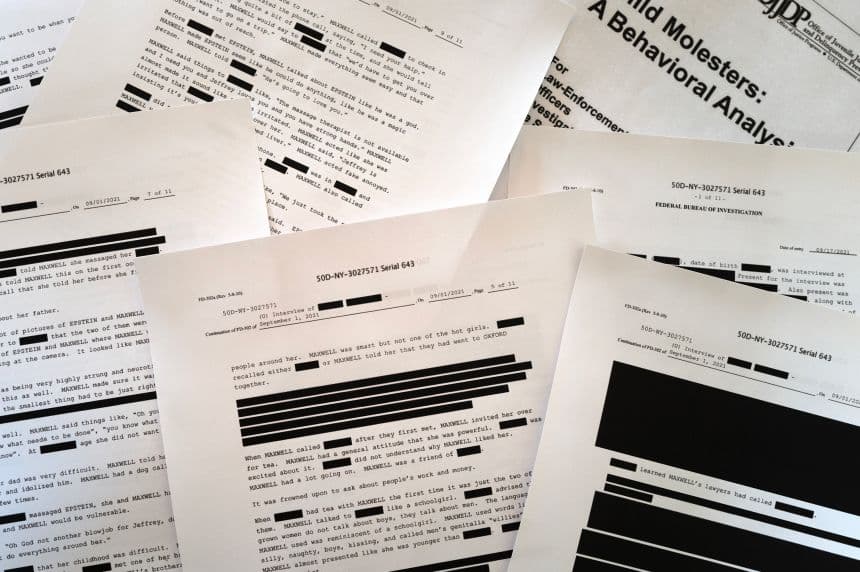
Browse FBI records and FOIA documents related to the Epstein investigation
View FOIA DocumentsCongressional Pressure for Disclosure
Members of Congress from both parties have called on intelligence agencies to disclose their Epstein-related records. The Epstein Files Transparency Act, while primarily targeting DOJ files, has prompted broader discussions about whether classified intelligence materials should also be subject to public release. Proponents argue that any intelligence agency involvement in or knowledge of Epstein's crimes represents a profound failure of oversight that the public has a right to understand.
The intelligence agencies' stonewalling has become one of the most significant unresolved aspects of the Epstein case. Until the CIA and NSA release their records — or Congress compels them to do so — the full extent of Epstein's intelligence connections will remain a matter of speculation, incomplete evidence, and unanswered questions that continue to undermine public trust in the institutions tasked with national security.
The Alexander Acosta Revelation
One of the most widely cited pieces of evidence linking Epstein to intelligence agencies comes from former U.S. Attorney Alexander Acosta. According to reporting by The Daily Beast, Acosta told the Trump transition team in 2017 that he had been told to back off the Epstein case because Epstein 'belonged to intelligence.' While Acosta has not publicly confirmed or denied this specific statement, it has become a central element of the intelligence theory and has been referenced repeatedly in congressional discussions about the case. The statement, if accurate, would suggest that intelligence considerations directly influenced the lenient 2008 plea deal that allowed Epstein to avoid federal prosecution.
Explore the full Epstein document archive — court filings, government disclosures, FBI records, and more
Open Epstein's InboxContinue Reading
Explore Archive Hubs
Sources & References
- The Daily Beast — Report on Alexander Acosta telling Trump transition team Epstein 'belonged to intelligence'
- Freedom of Information Act (5 U.S.C. 552) — CIA and NSA Glomar responses to Epstein-related FOIA requests
- U.S. Department of Justice — Epstein Document Library, released correspondence referencing intelligence contacts
Frequently Asked Questions
Did the CIA have files on Jeffrey Epstein?
FOIA requests to the CIA for records on Jeffrey Epstein were met with a 'Glomar response' — neither confirming nor denying the existence of records — which is typically reserved for matters involving intelligence sources and methods.
What did Alexander Acosta say about Epstein and intelligence?
According to reporting, when questioned about the lenient 2008 plea deal, then-U. S. Attorney Alexander Acosta reportedly said he was told Epstein 'belonged to intelligence' and to leave the matter alone.
Were Epstein's connections to intelligence agencies confirmed?
While no agency has officially confirmed Epstein as an intelligence asset, released documents and congressional testimony have revealed connections between Epstein and U. S. intelligence officials spanning decades.
Did the NSA have records on Jeffrey Epstein?
Like the CIA, the NSA responded to FOIA requests about Epstein with a 'neither confirm nor deny' response, raising further questions about potential intelligence community involvement.
Disclaimer: All information in this article is sourced from publicly available court records, government FOIA releases, and credible news reporting. This is informational content. Inclusion or mention of any individual does not imply wrongdoing. All persons are presumed innocent unless proven guilty in a court of law.