Editorial note: This article is sourced analysis based on publicly available court records, government releases, and credible news reporting. Primary documents and reporting referenced are listed in the Sources & References section below and linked in our archive.
In September 2025, Bloomberg News published a groundbreaking investigation based on approximately 18,700 emails obtained from Jeffrey Epstein's personal Yahoo email account. The emails, spanning roughly 20 years with the majority dating from 2005 to 2008, revealed for the first time the full scope of the support network that enabled Epstein to maintain his position in elite social and financial circles even as criminal investigations closed in around him.
The Email Archive: Scope and Significance
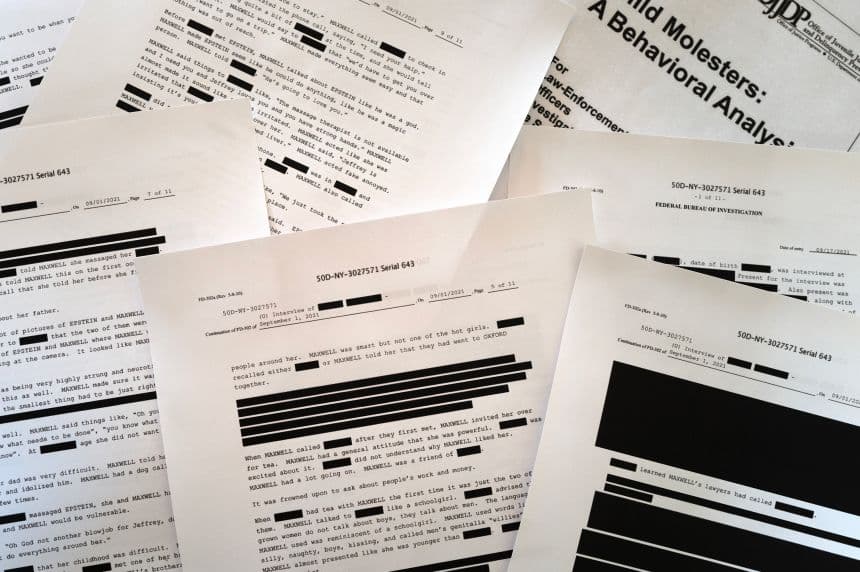
The Bloomberg investigation represents the largest cache of Epstein's personal communications ever made public. Unlike the court documents and government files released through official channels, these emails provide an unfiltered window into Epstein's daily operations, personal relationships, and strategic thinking. The correspondence includes exchanges with academics, attorneys, financial advisors, public relations specialists, and numerous high-profile individuals whose names have been associated with Epstein's social circle.
The emails are particularly significant because they predate much of the public scrutiny that would eventually surround Epstein. During the 2005-2008 period, Epstein was under investigation by Florida authorities and later by federal prosecutors, but had not yet been widely identified as a sexual predator by the mainstream media. The emails reveal how he and his associates worked to manage this emerging threat to his reputation and freedom.
The Ghislaine Maxwell Correspondence
Among the most revealing findings was the volume of correspondence between Epstein and Ghislaine Maxwell. Bloomberg identified at least 650 emails between the two during the period covered by the archive, with approximately 203 messages exchanged in the first six months of 2008 alone. The emails show Maxwell serving multiple roles in Epstein's life — as a social coordinator, a gatekeeper to his network, and a strategic advisor on how to handle legal and reputational threats.
The content of the Maxwell correspondence adds significant context to the evidence presented at her 2021 trial. While prosecutors portrayed Maxwell as Epstein's chief recruiter and facilitator of abuse, the emails reveal the full breadth of her involvement in his operations, extending well beyond the specific criminal acts for which she was convicted. The communications paint a picture of a deeply intertwined partnership in which Maxwell was not merely following Epstein's instructions but actively shaping strategy.
Read the correspondence and communication records in the Epstein document archive
Browse Correspondence DocumentsThe Financial Crimes Investigation
Perhaps the most newsworthy revelation from the Bloomberg investigation was evidence of a previously undisclosed federal financial crimes investigation into Epstein. The emails indicate that federal prosecutors opened an investigation into potential money laundering charges against Epstein in 2007, examining the flow of funds through his complex web of corporate entities and offshore accounts. The investigation appears to have been conducted in parallel with the sex crimes inquiry but was ultimately not pursued to prosecution.
The financial investigation is significant because it suggests that federal authorities had evidence of criminal activity beyond the sex trafficking charges that were eventually brought — and that they chose not to act on it. This revelation has added fuel to longstanding questions about whether Epstein received preferential treatment from law enforcement due to his wealth, connections, or purported cooperation with intelligence agencies.
The Reputation Management Machine
The emails also expose the sophisticated reputation management operation that Epstein maintained. The archive shows academics from prestigious universities providing intellectual cover for Epstein, attending his events, and lending their credibility to his public persona. Attorneys helped craft legal strategies that minimized his exposure. Public relations specialists worked to suppress negative coverage and promote positive stories about his philanthropic activities.
This network of enablers operated with varying degrees of awareness about Epstein's criminal conduct. Some individuals appear to have been genuinely unaware of his activities, while others seem to have been willfully blind or actively complicit. The emails provide the evidentiary basis for a more nuanced understanding of how Epstein's criminal enterprise was sustained not just by his own resources but by the active participation of dozens of professionals who benefited from their association with him.
The Legal Implications of the Email Archive
The Bloomberg email archive has significant implications for potential future legal proceedings. The emails provide a contemporaneous record of communications that could be used to establish knowledge, intent, and participation in specific activities. For individuals who have denied close relationships with Epstein, the email archive provides a factual basis for evaluating those denials. For investigators pursuing potential co-conspirators, the emails offer leads that were not available through the official government document releases.
The archive also raises questions about what other email accounts and communications platforms Epstein used and whether those records have been preserved. The Yahoo account represents only one channel of Epstein's digital communications, and investigators believe he maintained multiple email accounts, encrypted messaging accounts, and other communication methods that have not been publicly disclosed. The Bloomberg investigation demonstrated the investigative value of private digital communications, suggesting that additional archives — if they exist and can be obtained — could contain even more significant revelations.
Search the full archive of Epstein documents including financial records, flight logs, and correspondence
Open Epstein's InboxContinue Reading
Explore Archive Hubs
Sources & References
Frequently Asked Questions
How many Epstein emails were obtained by Bloomberg News?
Bloomberg News obtained 18,700 emails from Jeffrey Epstein's personal Yahoo account, spanning approximately 20 years of correspondence.
What did the 18,000 Epstein emails reveal?
The emails revealed a hidden network of academics, attorneys, and media specialists who helped manage Epstein's reputation and shielded him from accountability, including over 650 emails with Ghislaine Maxwell.
Did the Epstein emails reveal any new criminal investigations?
Yes, the emails revealed a previously undisclosed federal money laundering investigation into Epstein's financial activities that had not been publicly reported.
Who was named in the Epstein email correspondence?
The emails named academics, legal professionals, media consultants, and financial advisors who formed what Bloomberg described as Epstein's elite support network.
Disclaimer: All information in this article is sourced from publicly available court records, government FOIA releases, and credible news reporting. This is informational content. Inclusion or mention of any individual does not imply wrongdoing. All persons are presumed innocent unless proven guilty in a court of law.