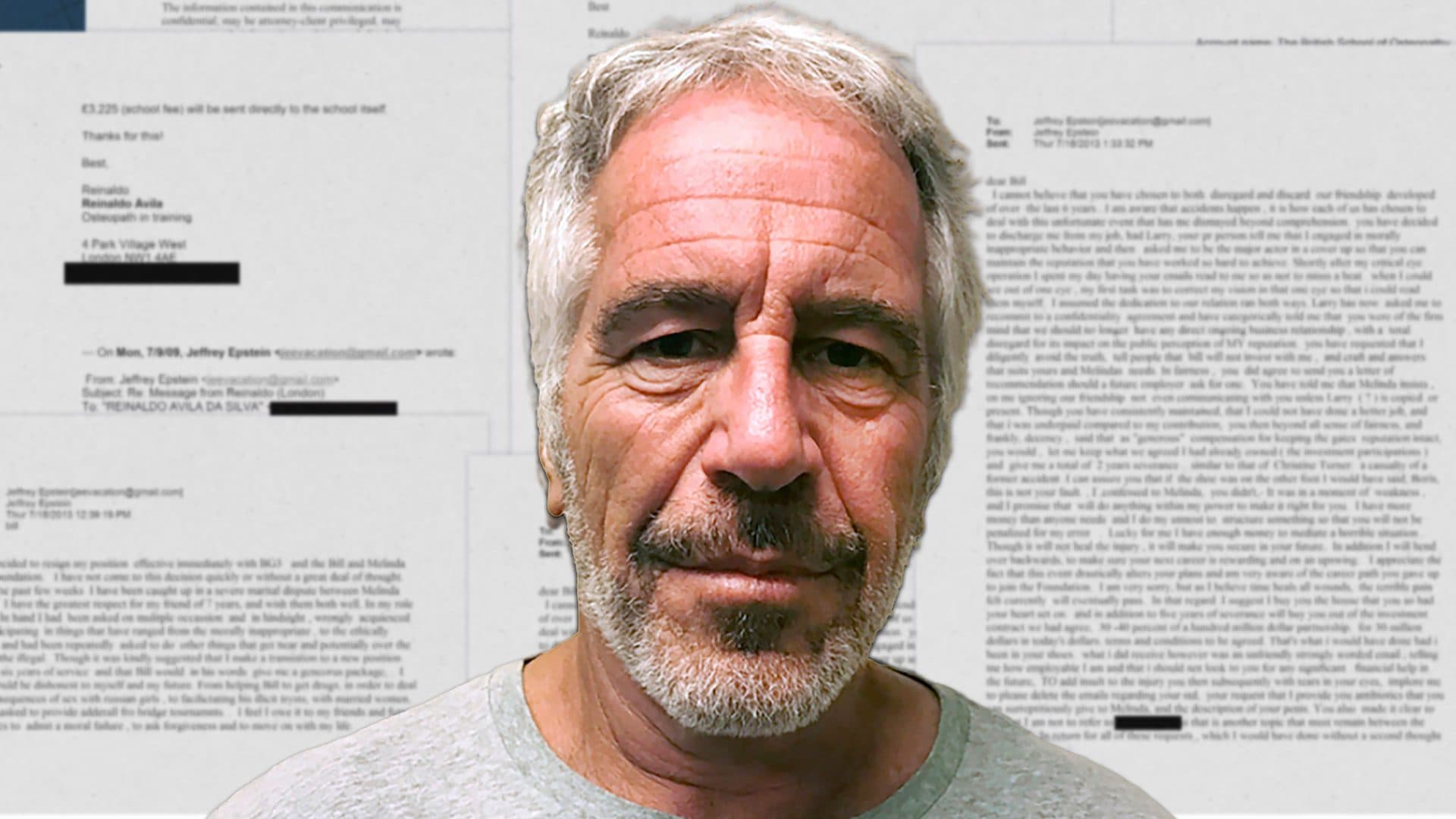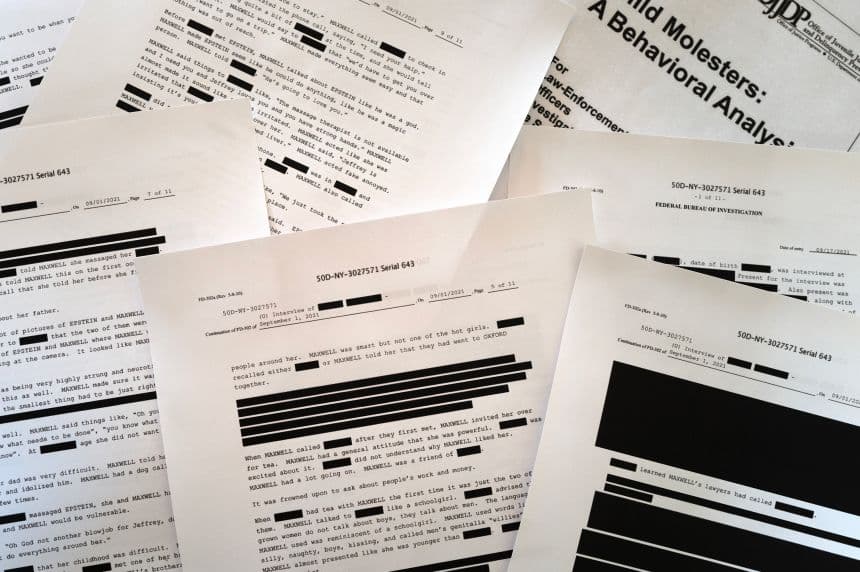
In January 2024, Federal Judge Loretta A. Preska ordered the unsealing of 4,553 pages of court documents from the 2015 Giuffre v. Maxwell defamation case, exposing the names of more than 150 individuals connected to Jeffrey Epstein's network. The release marked one of the most significant disclosures in the Epstein case to date, shining a light on the web of powerful figures who orbited Epstein during the years his sex trafficking operation was at its height.
The Giuffre v. Maxwell Case: Origins of the Sealed Documents
The documents originated from a 2015 civil defamation lawsuit filed by Virginia Giuffre against Ghislaine Maxwell. Giuffre had publicly accused Maxwell of recruiting her as a teenager into Epstein's sex trafficking operation, and Maxwell responded by calling Giuffre a liar. The resulting defamation case produced thousands of pages of depositions, exhibits, and court filings — many of which were sealed by the court due to the sensitive nature of the allegations and the identities of individuals named in the proceedings.
The case was settled in 2017, but the sealed documents remained a subject of intense public interest. Media organizations including the Miami Herald and intervenors such as Alan Dershowitz sought their release, arguing that the public's right to access court records outweighed the privacy interests of the individuals named in the filings. Judge Preska agreed, ruling in 2023 that the documents should be made public, with limited redactions to protect certain victim identities.
What the 4,553 Pages Revealed
The unsealed documents contained depositions, emails, flight logs, phone records, and other exhibits that painted a detailed picture of Epstein's operation and the individuals who interacted with him. More than 150 names appeared across the filings, though the court emphasized — and legal experts widely noted — that most individuals were mentioned in passing, as witnesses, or in contexts unrelated to criminal activity.
- Deposition transcripts from Giuffre, Maxwell, and other witnesses
- Email correspondence between Epstein, Maxwell, and their associates
- Flight log excerpts and travel records
- Phone records and scheduling documents
- Witness statements and sworn declarations
- Police reports from the original Palm Beach investigation
The documents did not contain significant new criminal allegations beyond those already known from Maxwell's trial and prior court proceedings. However, they provided additional context and detail about the scope of Epstein's network, the manner in which he and Maxwell recruited victims, and the failure of institutions to intervene despite mounting evidence of criminal conduct.
Browse the court filings and depositions from the Giuffre v. Maxwell case in the document archive
View Court Filing DocumentsPublic Reaction and Media Coverage
The January 2024 release generated enormous media attention and public interest. The documents were released in batches over several weeks, with each batch bringing new details and names into the public record. Social media amplified the disclosures, though the rapid pace of release also led to misinterpretation and misinformation as individuals conflated being mentioned in court documents with being accused of criminal conduct.
Legal experts cautioned that the appearance of a name in the Giuffre v. Maxwell filings did not constitute evidence of wrongdoing. Many individuals were mentioned as people Giuffre encountered at Epstein's properties, as subjects of testimony about Epstein's social circle, or as figures whose names appeared in contact lists and scheduling documents. The distinction between being named in a document and being accused of a crime became a central theme in coverage of the release.
The Unsealing's Role in the Broader Investigation
The January 2024 unsealing set the stage for the larger disclosure efforts that followed throughout 2025 and 2026 under the Epstein Files Transparency Act. It demonstrated that the judicial system could release sensitive materials in a manner that balanced public interest with privacy protections, and it intensified congressional interest in pursuing additional disclosures through legislative action.
The Impact on Named Individuals
For individuals named in the unsealed documents, the January 2024 release had immediate and lasting consequences. Several public figures issued statements denying wrongdoing or clarifying the context of their mentions in the filings. Legal representatives for named individuals challenged the release process, arguing that their clients' reputations were being damaged by association with unproven allegations contained in adversarial litigation. Some individuals who had successfully maintained their anonymity for years were suddenly thrust into the public spotlight.
The unsealing also prompted several individuals to preemptively address their connections to Epstein, issuing public statements or granting interviews in an attempt to control the narrative before documents containing their names were released. This pattern of preemptive disclosure reflected the widespread anticipation and anxiety surrounding each batch of unsealed documents, as the public and media scrutinized every name that appeared in the filings.
Judge Preska's decision to unseal the Giuffre v. Maxwell documents remains one of the most consequential judicial actions in the Epstein case, establishing the principle that public interest in accountability for sex trafficking outweighs the privacy interests of individuals named in related court proceedings. The legal framework established by this decision continues to influence how courts handle requests to unseal documents in similar cases involving allegations of abuse by powerful figures.
Search the complete archive of Epstein case documents — over 430 records from court filings, depositions, and government releases
Open Epstein's InboxContinue Reading
Explore Archive Hubs
Sources & References
Frequently Asked Questions
Who ordered the Epstein documents unsealed in 2024?
Federal Judge Loretta Preska of the Southern District of New York ordered the release of 4,553 pages of sealed court documents from the Giuffre v. Maxwell defamation case in January 2024.
How many names were revealed in the January 2024 Epstein unsealing?
The unsealed documents exposed the names of more than 150 individuals connected to Jeffrey Epstein's network, ranging from alleged victims to associates and witnesses.
What case did the unsealed Epstein documents come from?
The 4,553 pages came from the Giuffre v. Maxwell defamation lawsuit, filed by Virginia Giuffre against Ghislaine Maxwell, which generated extensive testimony and evidence about Epstein's network.
What did the 4,553 unsealed Epstein pages contain?
The documents included depositions, correspondence, flight records, and testimony that detailed the operations of Epstein's trafficking network and named individuals who participated in or witnessed activities.
Disclaimer: All information in this article is sourced from publicly available court records, government FOIA releases, and credible news reporting. This is informational content. Inclusion or mention of any individual does not imply wrongdoing. All persons are presumed innocent unless proven guilty in a court of law.