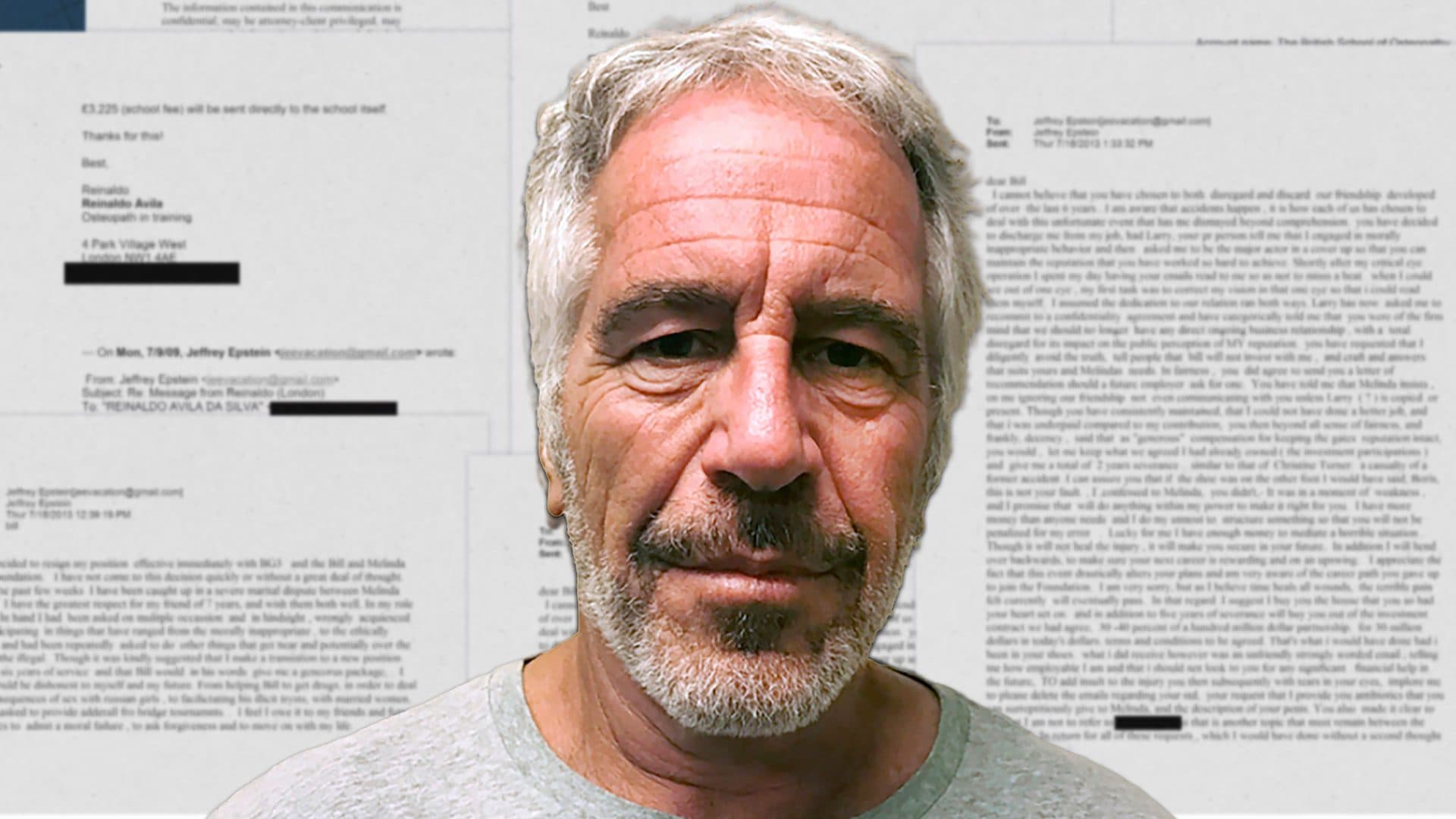
In July 2020, the New York State Department of Financial Services fined Deutsche Bank $150 million for significant compliance failures related to its banking relationship with Jeffrey Epstein. The German banking giant had maintained Epstein's accounts from 2013 to 2018 — years after his 2008 conviction for soliciting prostitution from a minor — processing over $150 million in transactions that the bank's own compliance systems flagged as suspicious but failed to adequately investigate or report.
How Deutsche Bank Onboarded a Convicted Sex Offender
Deutsche Bank opened Epstein's accounts in 2013, five years after his Florida conviction and registration as a sex offender. JPMorgan Chase had dropped Epstein as a client that same year, making Deutsche Bank one of the few major financial institutions willing to take him on. Internal bank communications released during regulatory proceedings show that senior executives were aware of Epstein's criminal history and the reputational risk he posed, but approved the relationship anyway based on his substantial assets and the fees his accounts would generate.
The bank assigned Epstein to its wealth management division, where his accounts were handled by relationship managers who were instructed to monitor transactions for suspicious activity. Despite this requirement, the NYDFS investigation found that the bank routinely failed to scrutinize payments that should have triggered immediate investigation — including cash withdrawals, payments to young women, and transfers to individuals and entities with no apparent business purpose.
The Red Flags That Were Ignored
- Over 120 wire transfers totaling $2.65 million to women with Eastern European surnames, many of whom had no apparent connection to Epstein's legitimate business activities
- Payments to law firms representing Epstein accusers, suggesting settlement payments flowing through accounts the bank was obligated to monitor
- Recurring cash withdrawals in amounts just below reporting thresholds, a classic structuring pattern
- Transfers to and from accounts linked to Ghislaine Maxwell and other named associates
- Payments to hotel and travel companies consistent with patterns identified in the trafficking operation
The NYDFS consent order detailed how Deutsche Bank's compliance department flagged numerous transactions as potentially suspicious but failed to file Suspicious Activity Reports with FinCEN as required by federal law. In several instances, compliance officers escalated concerns internally only to be overruled by relationship managers who argued that losing Epstein's business would harm the bank's bottom line.
Deutsche Bank's relationship with Epstein was not a case of a bank being deceived by a sophisticated criminal. It was a case of a bank choosing profits over the safety of trafficking victims, with full knowledge of who its client was.
The $150 Million Penalty
The $150 million fine imposed by NYDFS was one of the largest penalties ever levied against a financial institution for compliance failures related to a single client. The consent order required Deutsche Bank to engage an independent monitor and overhaul its compliance procedures. However, critics noted that the fine represented a fraction of the fees the bank earned from Epstein's accounts and that no individual bank employees faced criminal charges for their role in facilitating the transactions.
Lessons for Financial Accountability
The Deutsche Bank case, alongside the JPMorgan settlement of $290 million to Epstein victims in 2023, has become a landmark in the broader conversation about how financial institutions enable criminal enterprises. The 2026 document releases have added new detail to the picture, including internal bank communications and transaction records that show the full scope of Epstein's financial activity across multiple institutions. As Congress considers new banking regulations in the wake of the Epstein disclosures, the Deutsche Bank case stands as evidence that existing compliance frameworks failed catastrophically when confronted with a wealthy and well-connected predator.
Explore the financial records and banking documents in the archive
View Financial RecordsRead about every bank that facilitated Epstein's operations
Read: Every Bank That Helped EpsteinContinue Reading
Explore Archive Hubs
Sources & References
Frequently Asked Questions
How much was Deutsche Bank fined for its Epstein relationship?
The New York State Department of Financial Services fined Deutsche Bank $150 million in July 2020 for significant compliance failures related to its banking relationship with Jeffrey Epstein.
What suspicious transactions did Deutsche Bank process for Epstein?
Deutsche Bank processed over $150 million in suspicious transactions including wire transfers to women with Eastern European surnames, recurring cash withdrawals below reporting thresholds, and transfers to accounts linked to Ghislaine Maxwell.
Why did Deutsche Bank accept Epstein as a client after his conviction?
Deutsche Bank onboarded Epstein in 2013 despite his 2008 sex offense conviction because of the fees his accounts would generate. Senior executives approved the relationship knowing his criminal history.
Disclaimer: All information in this article is sourced from publicly available court records, government FOIA releases, and credible news reporting. This is informational content. Inclusion or mention of any individual does not imply wrongdoing. All persons are presumed innocent unless proven guilty in a court of law.